Apple’s Sub-1 nm Revolution: How A20 Chips & TSMC’s Roadmap Define 2026
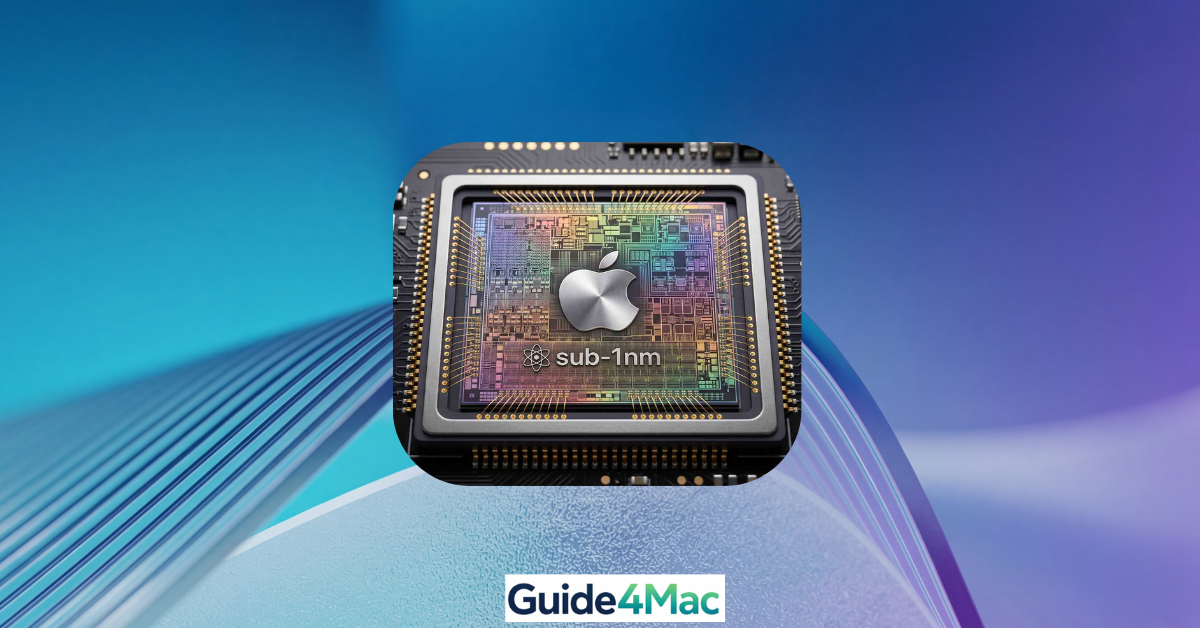
The Silicon Frontier: Apple, TSMC, and the Path to Sub-1nm Mastery
In the 2026 tech landscape, the buzzword isn’t just “power”—it’s “Atomic Efficiency.” While most of the industry is still adjusting to the 2nm standard, Apple is already looking past the horizon, charting a course toward the Angstrom era.
Based on recent intelligence from the Taiwanese supply chain, the partnership between Cupertino and TSMC is set to push semiconductors into a realm that sounds like science fiction: the sub-1nm frontier.
The Roadmap to the Future: From the A-Series to the A10 Revolution
If you thought the A19 Pro chip was the peak of silicon engineering, the TSMC 2028 roadmap suggests we are only at the beginning of a massive acceleration. The shift toward 1.4nm energy efficiency is no longer a goal—it is the new baseline for mobile computing.
- 2026 (Current): Consolidation of the 2nm (N2) node. Apple remains the priority client, securing nearly the entire initial production capacity for the new iPhone 18 series.
- 2027–2028: The arrival of the A14 (1.4nm) node. Projections indicate a 15% performance boost and a staggering 30% reduction in power consumption. Early Apple A20 chip leaks suggest this will be the first processor to truly eliminate thermal throttling in pro-level mobile tasks.
- 2029–2030: The “Holy Grail” of semiconductors. TSMC aims to begin pilot production for the sub-1nm (A10) process. At this scale, we aren’t just talking about miniaturization; it’s a fundamental architectural shift—rumors suggest the integration of bismuth to replace traditional silicon.
Why Does This “Nanometer Obsession” Matter to You?
For the average user, understanding the sub-1nm semiconductor benefits is key to realizing why the next five years of hardware will be more transformative than the last twenty. These microscopic measurements translate into tangible advantages:

- Unleashed On-Device AI: With transistor density reaching these heights, AI no longer needs the cloud. Your iPhone will handle complex Large Language Models (LLMs) locally, ensuring total privacy and near-instant response times.
- Revolutionary Battery Life: Transitioning to 1.4nm energy efficiency means a chip consumes a fraction of the energy used today. This allows Apple to either pursue even thinner industrial designs or finally deliver true multi-day battery life.
- The Key to New Form Factors: These chips are the heartbeat of the upcoming Apple Glasses. Minimizing heat dissipation and physical footprint is the only way to make AR glasses as light as a standard pair of Ray-Bans.
The Yield Challenge: Apple vs. The Field
Despite the optimism, the path forward isn’t easy. Manufacturing sub-1nm chips pushes the very limits of physics (where quantum tunneling effects become a real engineering hurdle). However, Apple’s position is uniquely secure.
As TSMC’s primary financier and largest customer, Cupertino holds “Right of First Refusal” on every new production node. While the Silicon vs Bismuth 2030 debate continues in academic circles, Apple is already locking in the supply chains to ensure they remain the only player with this level of hardware-software integration.




0 Comments