Sidecar Now Lets iPad Users Tap macOS With Their Fingers
What You Need to Know
- MacOS 27 Golden Gate adds direct finger touch to Sidecar for first time.
- Apple previously blocked discrete taps on iPad while allowing gestures and stylus input.
- Pull-to-refresh and touch features arriving before touchscreen Mac hardware suggests upcoming device launch.
- Touchscreen MacBook Ultra reportedly targeting early 2027 with OLED display and M6 chip.
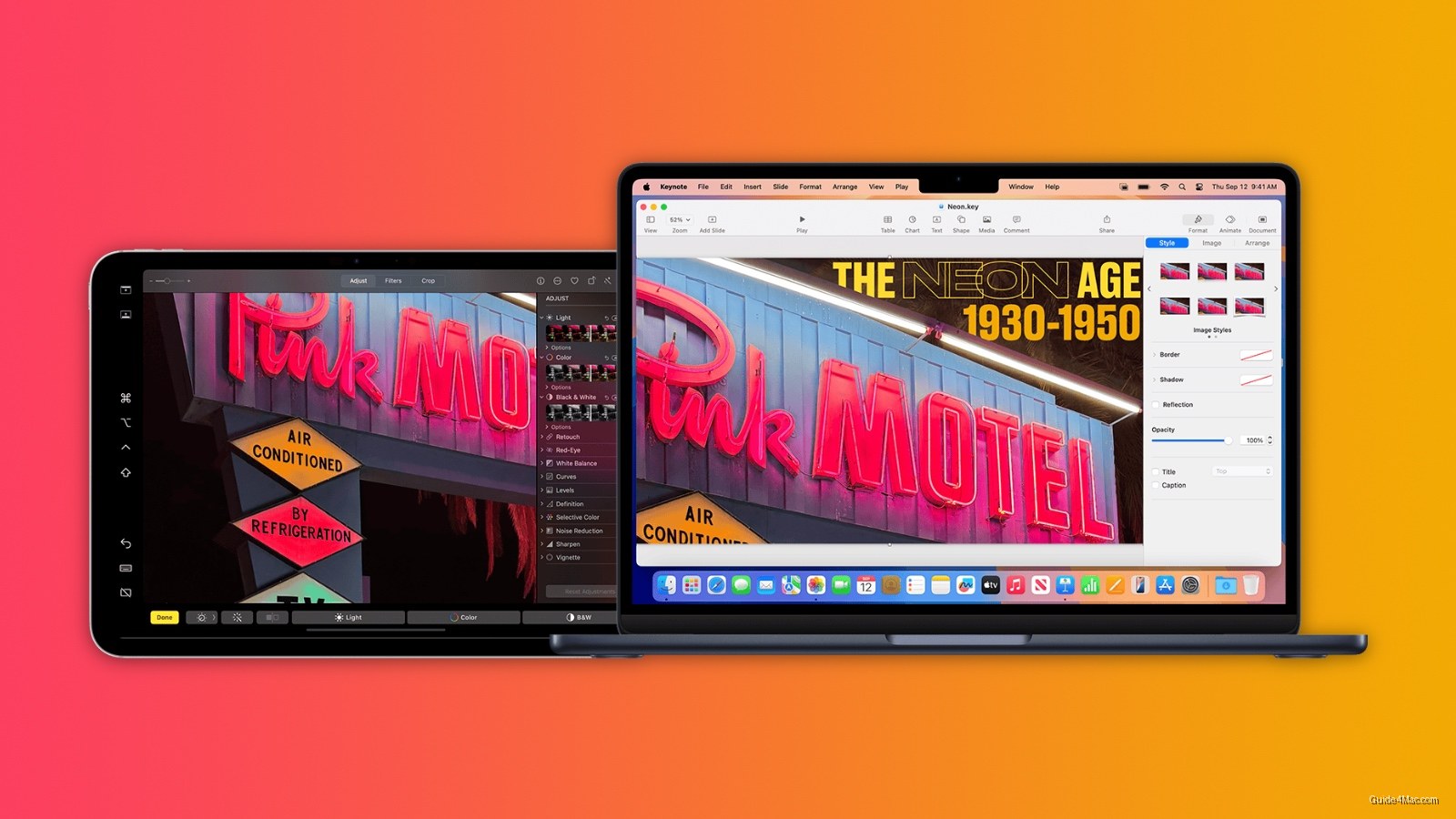
Apple spent years letting iPad users scroll and pinch inside Sidecar while refusing to let them simply tap a button. That changes with macOS 27 Golden Gate, which adds direct finger touch to Sidecar for the first time, letting users interact with macOS UI elements, open apps, and click links directly on the iPad screen.
The omission was always a little odd. Third-party tools like Luna Display have offered full touch passthrough for years, and the technical groundwork inside Sidecar was clearly there given that gestures already worked. Apple just drew a hard line at discrete taps, which forced users back to a mouse or Apple Pencil for anything that required a click. That line is now gone.
The feature ships as part of the broader visual and behavioral overhaul in macOS 27, which Apple is treating as a unified design moment across platforms. The requirements are the same as existing Sidecar: Apple Silicon Mac, same Apple ID, same Wi-Fi network, Bluetooth on, devices within 10 meters.
What This Signals About Mac Hardware
The more interesting read here is what Apple is rehearsing. Pull-to-refresh arrived in Golden Gate before any touchscreen Mac exists, and now direct touch input works through a connected iPad. Both features normalize touch interaction with macOS without requiring Apple to ship new hardware first.
That hardware is reportedly coming. A MacBook Ultra with a touchscreen OLED display, Dynamic Island, and an M6-series chip is said to be targeting early 2027. Apple building the interaction model into the OS a year ahead of the device follows the same pattern it used with Apple Silicon, where software compatibility arrived before the chips did.
Apple Pencil support continues alongside the new finger input, so nothing regresses for users who already built workflows around it. For everyone else, iPhone and iPad apps running on Apple Silicon now share a platform with an OS that finally treats touch as a first-class input rather than a workaround.


0 Comments