IPhone Production Hits 60.2M Units as Rivals’ Market Share Shrinks
What You Need to Know
- Apple produced 60.2 million iPhones in Q1 2026, a 19.7% year-over-year increase.
- Apple maintained steady prices despite memory cost surges squeezing margins across the industry.
- Samsung led production at 62.6 million units, but the gap with Apple is narrowing.
- Chinese brands face structural pressure from market dynamics and thin margins on hardware.
Apple produced 60.2 million iPhones in Q1 2026, a 19.7% year-over-year increase, while the rest of the smartphone market shrank 1.7%. That gap is harder to explain away as a product cycle quirk when you consider that Apple competes in none of the low-end segments that typically inflate rivals’ unit counts.
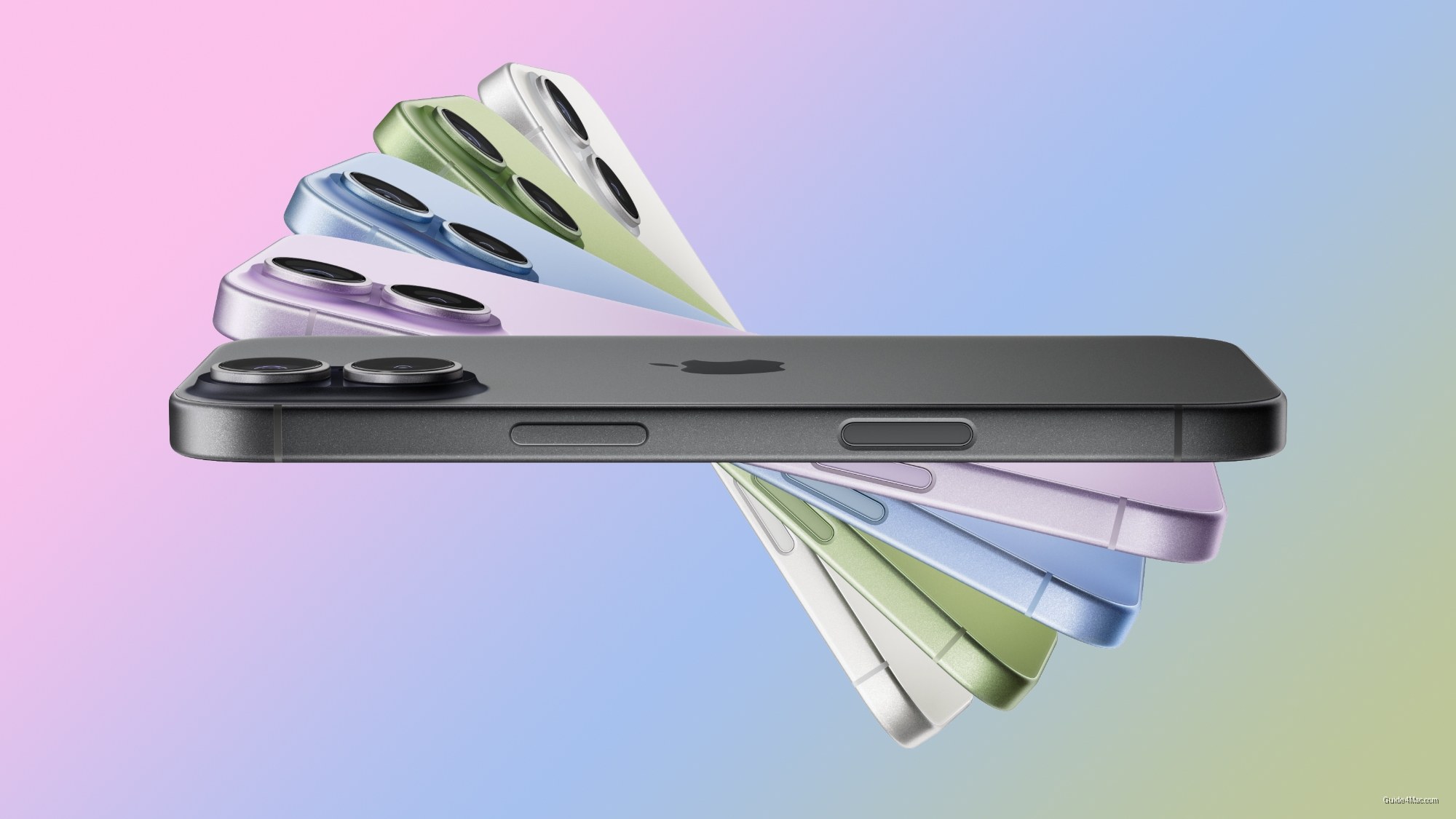
The iPhone 17e is part of the story, but not the whole one. TrendForce credits the model with contributing to the production ramp, yet Apple’s broader iPhone 17 lineup was already in full swing. The more interesting detail is that Apple has held prices steady despite a memory cost surge that is squeezing margins across the industry, a decision that looks less like generosity and more like a calculated trade: absorb the cost now, protect the installed base, collect the services revenue later.
Samsung led production at 62.6 million units, up 2.3%, but the gap between first and second place is narrowing. A year ago that margin would have been treated as comfortable; today it looks like a shrinking buffer.
Pressure on Chinese Brands
The situation for Oppo, Xiaomi, and Vivo is structurally different. Ranked third through fifth at 29.5 million, 26 million, and 22 million units respectively, all three are carrying exposure to Chinese market dynamics while simultaneously facing memory cost pressure on hardware that already runs thinner margins than Apple’s. Transsion, sixth at 19.8 million units, is described by TrendForce as particularly vulnerable given its concentration in budget tiers where there is little room to absorb input cost increases without raising retail prices.
TrendForce’s full-year forecast puts global smartphone production at 1.051 billion units, down roughly 16.2% year-over-year. That number could deteriorate further if memory prices stay elevated and brands start passing costs to consumers in successive price increases, the kind of cycle that historically accelerates upgrade hesitation rather than resolving it.




0 Comments