Memory Costs Exposed: How NAND Flash Prices Impact iPhone 17e vs 16e
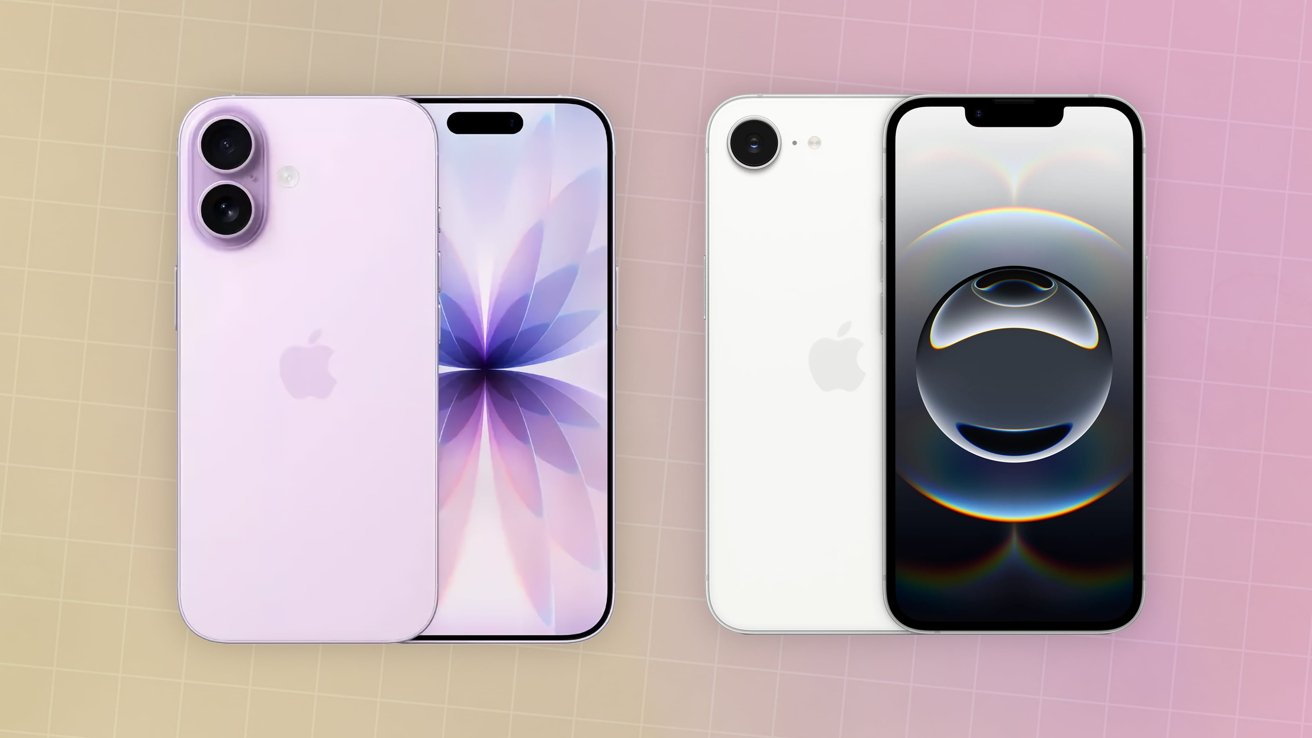
In the 2026 smartphone market, the most expensive component isn’t always the screen or the camera—it’s the silicon holding your data. A new infographic and Apple BOM (Bill of Materials) analysis has revealed a startling disparity in how memory costs are shaping the transition from the iPhone 16e to the upcoming iPhone 17e.
As we navigate the current NAND flash market trends of 2026, it’s clear that Apple’s “budget” lineup is facing its biggest pricing challenge yet.
The Infographic Breakdown: 16e vs. 17e
The data shows a significant shift in manufacturing costs. While the iPhone 16e benefited from a period of relative stability in the semiconductor supply chain, the iPhone 17e specs leak suggests that the move to a minimum of 256GB base storage has collided with a global surge in NAND prices.
- iPhone 16e (2025): Estimated memory cost at launch was roughly $45 for the base model.
- iPhone 17e (2026): Estimated memory cost has jumped to $68, representing a 51% increase in the storage component alone.
Why is the iPhone Memory Upgrade Cost Skyrocketing?
To understand the iPhone 17e vs iPhone 16e price comparison, we have to look at the “Triple Threat” of the 2026 supply chain:
- AI Integration Requirements: The iPhone 17e requires faster LPDDR5X RAM to handle 2026-era on-device AI, which carries a premium over the older modules used in the 16e.
- Scarcity of High-Density NAND: Production shifts toward enterprise-level AI servers have left the consumer NAND flash market undersupplied.
- The “Pro” Trickle-Down: Apple is using higher-quality storage modules across the board to ensure longevity, which increases the baseline cost of even the “entry-level” models.
Strategic Impact: Will the Consumer Pay the Price?
The big question for the 2026 roadmap is whether Apple will absorb these costs to maintain the $499/€549 price point. Industry analysts suggest that while the smartphone price inflation is real, Apple might offset the memory cost by using a recycled chassis design from the iPhone 15/16 series, focusing all budget allocations on the internal “brain” (the A19 chip) and the storage speed.



0 Comments