iPhone Not Ringing? 8 Ways to Fix Silenced Calls
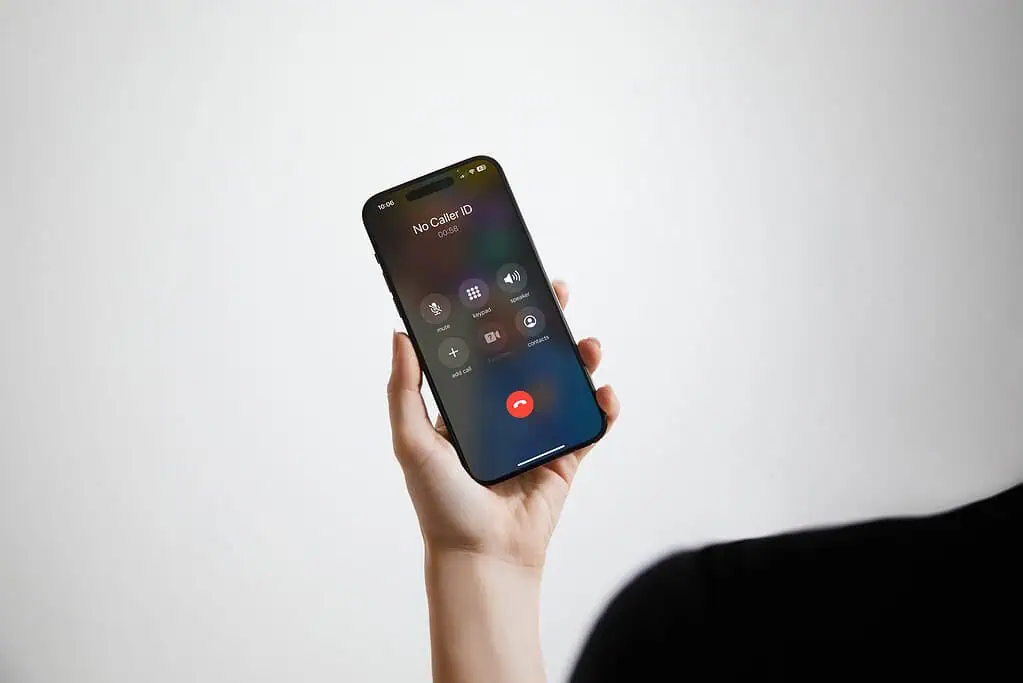
If your iPhone is not ringing for incoming calls, you may miss important calls even though your device is connected to the network. In many cases, the phone still receives calls but stays silent because of settings like Focus modes, Silent mode, or notification configurations.
This issue is usually easy to fix once you identify the setting responsible for muting your phone. In this guide, you will learn several ways to restore your iPhone’s ringtone by checking volume controls, Focus settings, and network configurations. If the problem only affects certain callers, you may also want to review why calls sometimes go straight to voicemail since both problems often share similar causes.
Why Is Your iPhone Not Ringing for Incoming Calls?
When an iPhone does not ring, the problem is usually related to system settings rather than hardware. iOS includes several features designed to silence notifications, which can accidentally prevent call alerts.
Common reasons include:
• Silent mode enabled with the side switch
• Focus or Do Not Disturb turned on
• Low ringer volume
• Calls from unknown numbers being silenced
• Bluetooth audio routing
• Network or carrier issues
Checking these settings usually restores the ringtone quickly.
1. Check the Silent Mode Switch
The physical Ring/Silent switch on the side of the iPhone can mute incoming calls instantly.
- Look at the switch on the left side of the iPhone.
- If you see an orange indicator, Silent mode is enabled.
- Flip the switch toward the screen to disable Silent mode.
Once the switch is turned off, incoming calls should ring normally.
2. Increase the Ringer Volume
Sometimes the ringtone volume is simply set too low to hear.
- Open Settings.
- Tap Sounds & Haptics.
- Find the Ringtone and Alerts slider.
- Drag the slider to increase the volume.

You can also test the ringtone by selecting Ringtone in the same menu.
3. Turn Off Do Not Disturb or Focus Mode
Focus modes such as Do Not Disturb silence calls and notifications.
- Open Settings.
- Tap Focus.
- Select Do Not Disturb.
- Turn the toggle off.
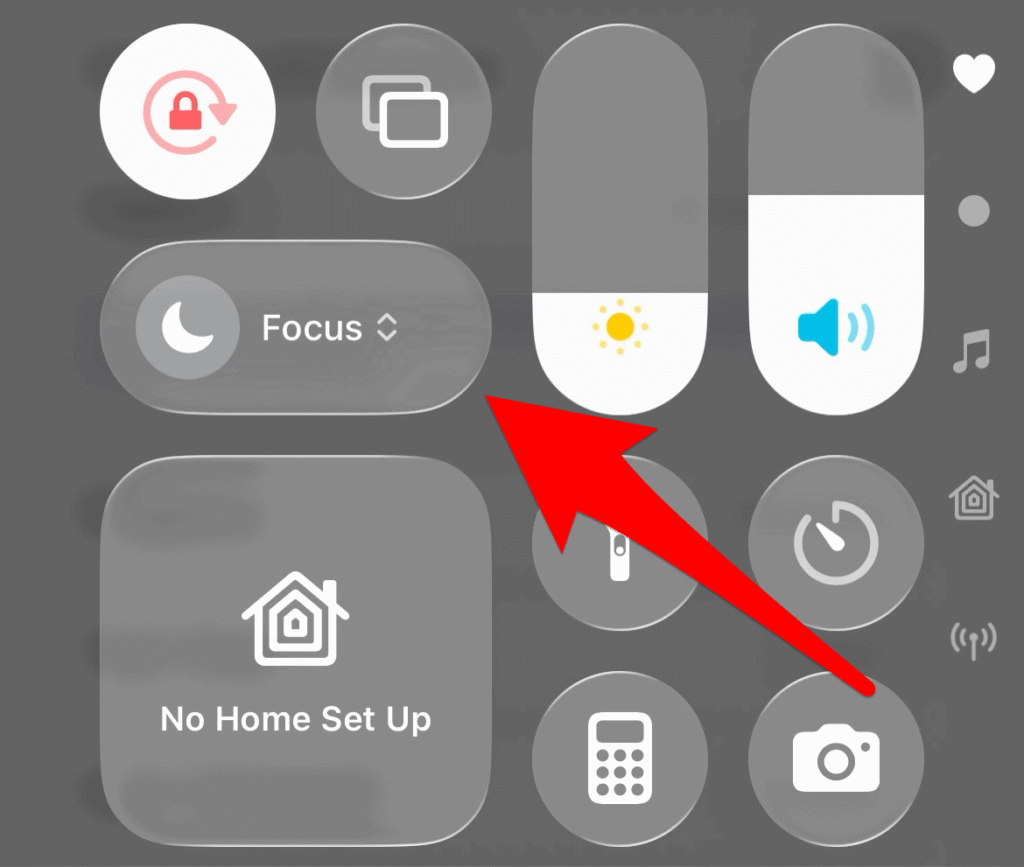
If Focus keeps activating automatically, it may help to learn how to fix an iPhone that cannot turn off Do Not Disturb to stop recurring notification issues.
4. Check Silence Unknown Callers
The Silence Unknown Callers feature automatically silences calls from numbers not saved in your contacts.
- Open Settings.
- Tap Phone.
- Select Silence Unknown Callers.
- Turn the toggle off.
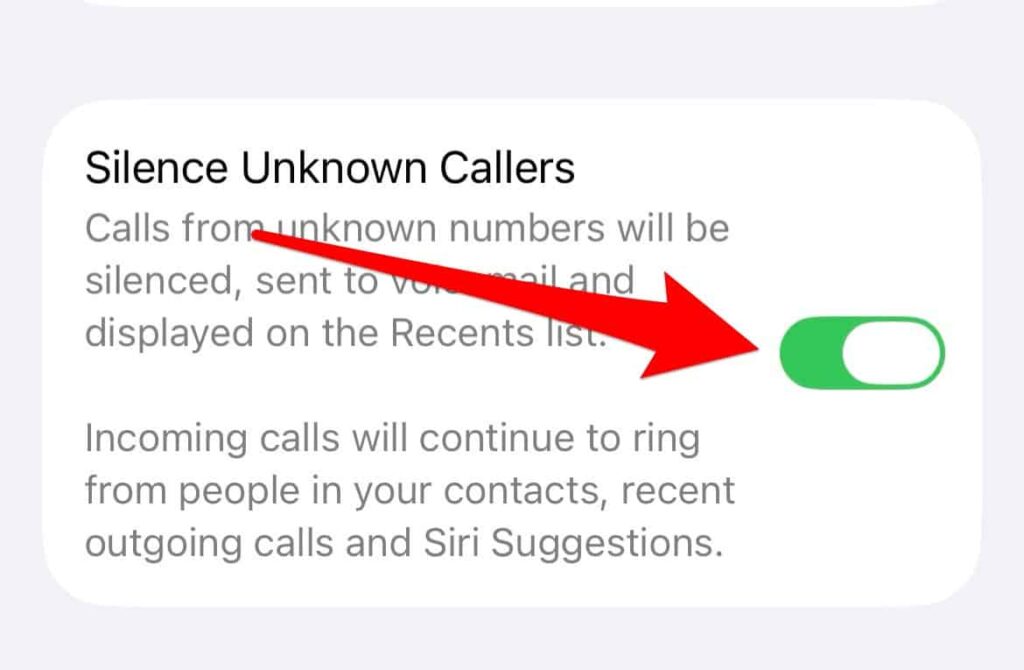
Disabling this option ensures all calls ring normally.
5. Disconnect Bluetooth Devices
When your iPhone is connected to Bluetooth devices like headphones or car systems, ringtones may play through those devices instead of the phone speaker.
- Open Settings.
- Tap Bluetooth.
- Turn Bluetooth off temporarily.
- Test an incoming call.
If the phone rings afterward, a connected device was likely intercepting the audio.
6. Restart Your iPhone
A restart can fix temporary system glitches affecting call notifications.
- Press and hold the Side button and Volume button.
- Drag the Power Off slider.
- Wait 30 seconds.
- Turn the device back on.
Restarting clears temporary system processes that might interfere with incoming call alerts.
7. Reset Network Settings
Network configuration problems can sometimes affect call alerts and connectivity.
- Open Settings.
- Tap General.
- Select Transfer or Reset iPhone.
- Tap Reset.
- Choose Reset Network Settings.
This resets Wi-Fi, cellular, and carrier settings without deleting personal data.
8. Update iOS
Software bugs can occasionally cause notification or ringtone problems.
- Open Settings.
- Tap General.
- Select Software Update.
- Install any available update.
Updating iOS ensures your device has the latest fixes for calling and notification systems.
Tips
• Assign custom ringtones to important contacts.
• Avoid leaving Silent mode enabled unintentionally.
• Check Focus schedules if calls stop ringing at certain times.
• Keep iOS updated for improved call reliability.
• Test your ringtone after adjusting sound settings.
Restoring Your iPhone’s Incoming Call Alerts
When an iPhone stops ringing for incoming calls, the cause is usually a simple configuration setting such as Silent mode or Focus. Checking your sound settings and disabling call-silencing features typically resolves the issue quickly.
Once these settings are corrected, your iPhone should alert you normally when calls arrive.
Key Takeaways
If your iPhone is not ringing, first check the physical Silent Switch on the side of the device. Then, open the Control Center to ensure Do Not Disturb or a Focus Mode is not active. Finally, verify that Settings > Phone > Silence Unknown Callers is turned off, as this prevents calls from non-contacts from ringing.
FAQs
This usually happens when Silent mode is enabled or the ringtone volume is set too low.
The Silence Unknown Callers feature may mute numbers that are not saved in your contacts.
Yes. If connected to headphones or car systems, the ringtone may play through those devices instead of the phone speaker.
Focus schedules or Do Not Disturb settings may automatically silence calls during specific hours.
Resetting network settings or restarting the device often resolves ringtone issues without deleting personal data.


0 Comments