Mac Studio M5 Ultra Gets Redesigned Cooling for AI Workloads
What You Need to Know
- Mac Studio M5 Ultra features up to 36 CPU cores, 80 GPU cores, and 768GB unified memory.
- Apple redesigned thermal system to handle sustained heat from AI workloads, not just burst performance.
- Mac Studio exterior design remains unchanged from current generation.
- Apple skipping M6 generation for professional desktops, jumping to M7 Ultra around 2028.
The Mac Studio’s next update is less about headline specs and more about what keeps those specs from throttling: Apple is redesigning the thermal system to handle the sustained heat that serious AI workloads generate, not just burst performance.
Reports point to an M5 Ultra chip with up to 36 CPU cores, 80 GPU cores, and 768GB of unified memory, which puts the machine in a different category from anything Apple currently sells. That memory ceiling matters for developers running large local models or editors working with high-resolution video pipelines, where the bottleneck is often how much data the chip can hold in reach at once. The improved heat sink is the quiet acknowledgment that pushing those numbers under sustained load is a thermal problem as much as a silicon one.
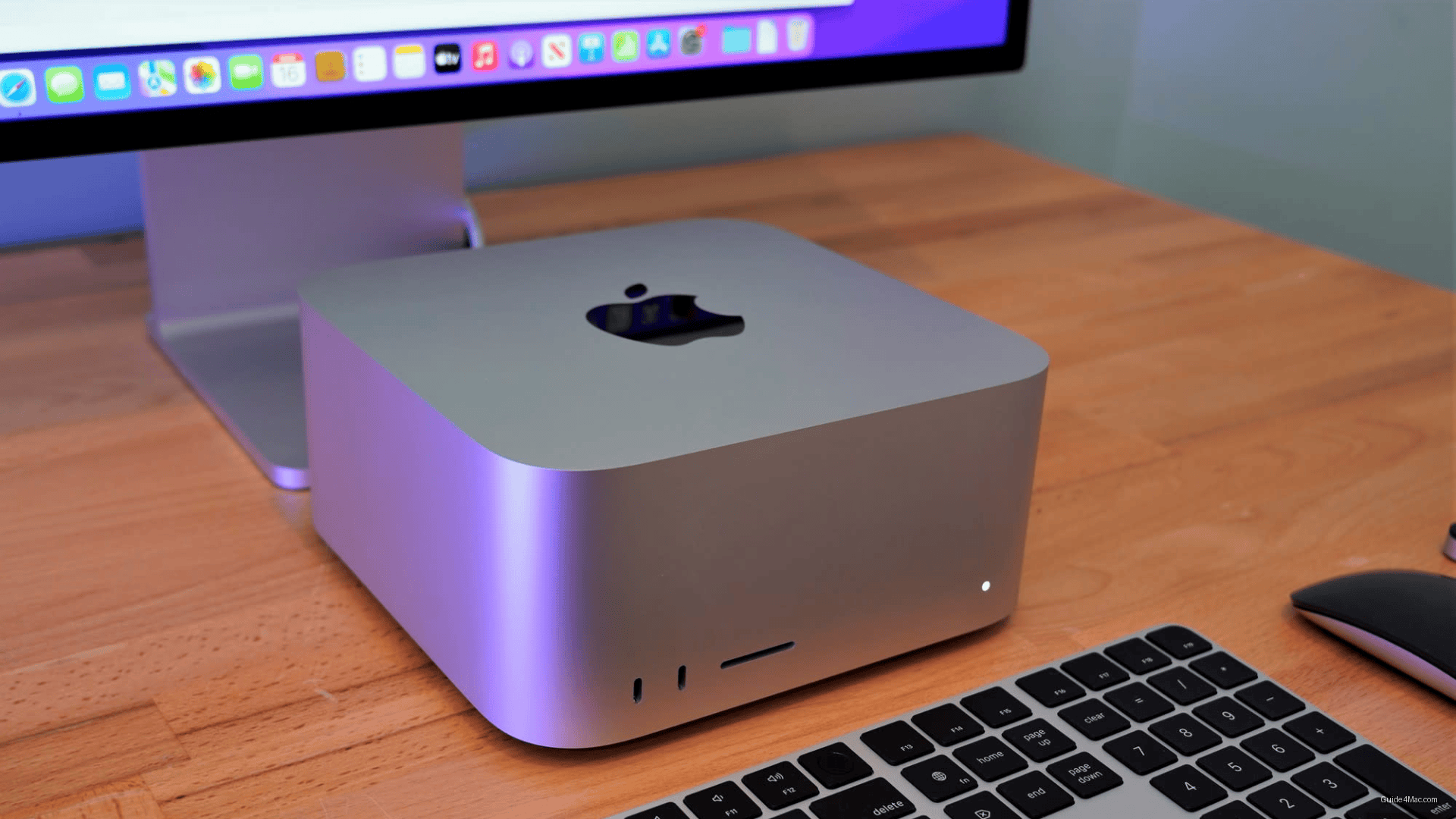
The exterior stays the same. Apple tends to hold desktop chassis designs for extended periods, and the current Mac Studio enclosure is carrying over unchanged for this generation. For buyers expecting a visual refresh, there is none coming.
What comes after
Apple is reportedly skipping the M6 generation entirely for its professional desktops, jumping straight to an M7 Ultra around 2028. That is a long gap between major architectural updates for the high end of the Mac lineup, which makes the thermal improvements in this M5 release more consequential than they might otherwise seem.
The timing of the launch is complicated by market conditions. Apple recently raised the starting price of the current Mac Studio to $2,499, citing an ongoing memory shortage. The M5 Ultra version is still expected later this year, arriving into a market where the hardware costs more and the software demands more of it simultaneously.




0 Comments