AirPods Get Custom EQ, Five Years After Competitors
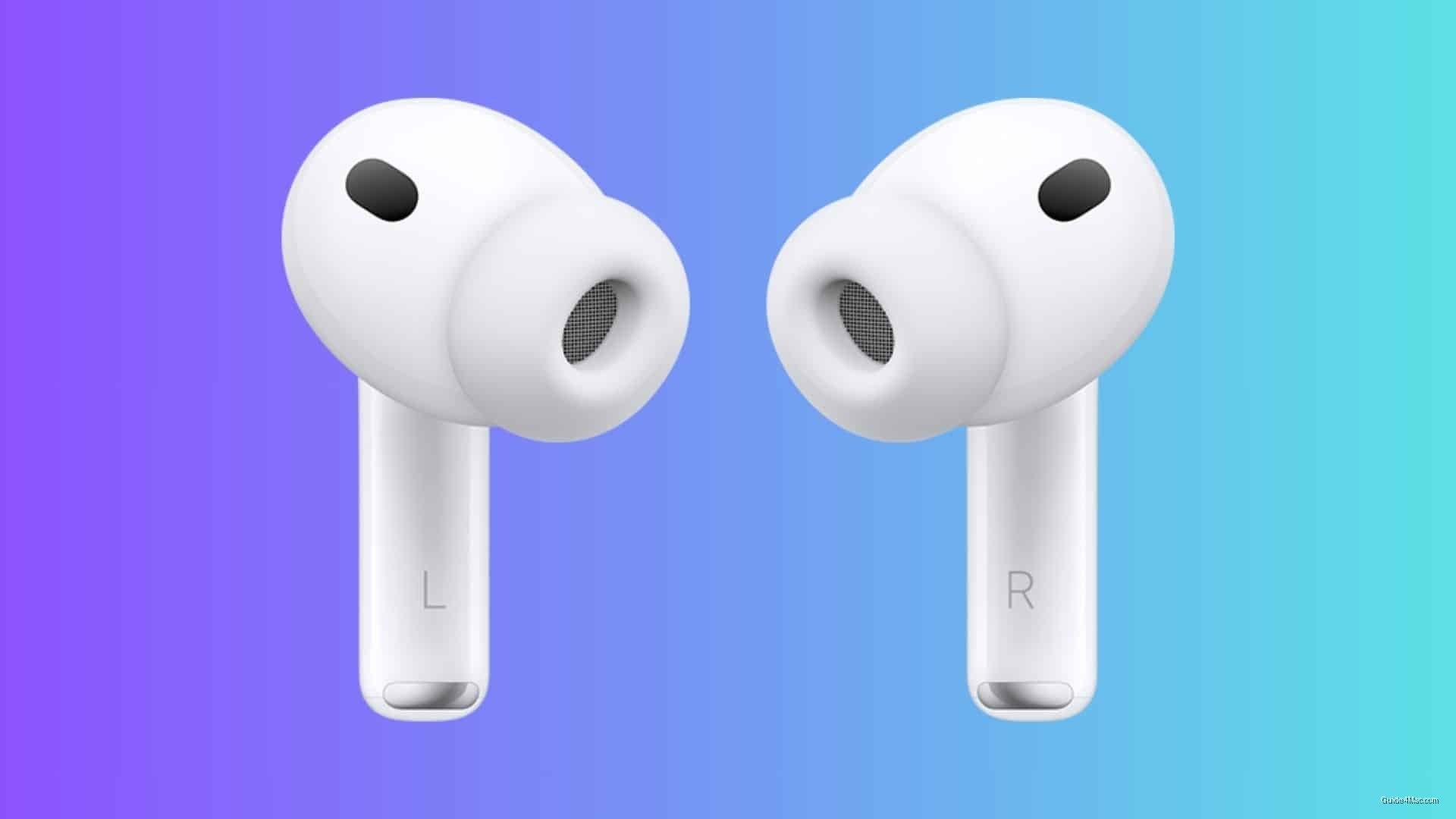
What You Need to Know
- Apple adds equalizer controls to AirPods in 2026, matching competitors like Sony and Bose.
- Apple’s audio philosophy prioritized algorithmic processing over user control until this EQ feature.
- AirPods Pro 2, owned by millions, excluded from EQ support; reason unclear.
- Custom EQ layers with existing Adaptive Audio and Spatial Audio features without replacing them.
The headline writes itself as “Apple adds EQ to AirPods,” but the more interesting detail is what this says about how Apple has managed audio control for years. Every competitor, from Sony to Bose to Samsung, has shipped companion apps with equalizer controls as a baseline feature. Apple is arriving at this in 2026.
The omission was never accidental. Apple’s audio philosophy has long centered on its own processing doing the work for you: Adaptive Audio reads your environment, Personalized Spatial Audio maps your ear shape, Conversation Awareness drops the volume when someone speaks to you. The implicit argument was that the algorithm knows better than you do. Custom EQ is a quiet retreat from that position.
The supported models tell their own story:
- AirPods 4 (the entry-level tier, newly included)
- AirPods Pro 3
- AirPods Max 2
Older hardware, including the AirPods Pro 2 that millions of people currently own, appears to be left out based on the announcement details. Apple has not clarified whether this is a chip limitation or a product segmentation decision, and those are very different things.
What This Means for the Existing Feature Stack
The new EQ sits on top of Adaptive Audio and Spatial Audio rather than replacing them, which creates an interesting layering question. Whether custom frequency adjustments interact cleanly with Apple’s real-time processing, or whether one overrides the other in certain modes, was not addressed in the keynote framing.
For most users the practical effect is straightforward: more bass, clearer vocals, less dependence on Apple’s defaults. That Sony and Bose have offered this through dedicated apps for years makes the feature less of a surprise and more of a gap finally closed.


0 Comments