Apple Intelligence Siri Rebuild Arrives Two Years Behind Rivals

What You Need to Know
- Craig Federighi criticized competitors for advancing AI without regard for user needs during WWDC 2026.
- Apple fired John Giannandrea and is rebuilding Siri from the ground up with a new Foundation Model.
- New Siri processes speech, text, and images simultaneously while maintaining privacy through on-device data processing.
- Apple developing AI-powered camera pendant and AI-enabled AirPods to extend Siri’s capabilities beyond screens.
Craig Federighi took a swipe at the AI industry during Monday’s WWDC 2026 keynote, saying competitors appear to be “racing forward” with AI “without clear regard to the people it’s ultimately meant to serve.” The targets were obvious: OpenAI, Google, and Meta have all shipped AI products at a pace Apple has not matched. What made the moment awkward is that Apple has spent two years failing to match them.
The company fired (or eased out) John Giannandrea earlier this year after a prolonged restructuring of its AI teams, and Siri’s multi-turn conversation capabilities have underperformed expectations since Apple Intelligence launched. Federighi’s framing of Apple as the thoughtful adult in the room lands differently when the company is announcing a ground-up Siri rebuild at a developer conference, not shipping it to consumers.
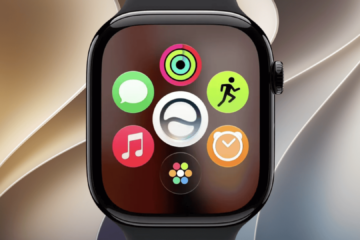
The new Siri AI runs on a second Apple Foundation Model capable of processing speech, text, and images simultaneously, with a system orchestrator coordinating behavior across platforms. Federighi called it “an integral but conversational tool,” explicitly distancing it from what he called a “bolted-on chatbot.” Privacy remains Apple’s stated differentiator, with data used only to execute the immediate request.
Hardware Closing In
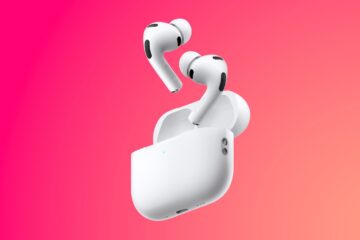
Apple’s AI ambitions are not limited to software. The company is reportedly developing an AI-powered camera pendant designed to integrate closely with Apple Intelligence, extending Siri’s awareness beyond the screen. AI-enabled AirPods are also moving closer to launch, according to multiple industry insiders, which would give Siri a persistent audio presence Apple’s current lineup cannot offer.
One group will not see any of this at launch: European users. Regulatory friction has again pushed EU access to advanced Siri features past the initial rollout, continuing a pattern that has excluded Apple’s second-largest market from its headline AI capabilities for over a year. Apple has cited compliance complexity each time, though the effect on European customers is the same regardless of the reason.


0 Comments