Apple Sues Leaker Jon Prosser Over iOS 26 Liquid Glass Leak

What You Need to Know
- Apple sued Michael Ramacciotti for accessing an engineer’s iPhone and sharing pre-release iOS 26 software with Jon Prosser for payment.
- Prosser did not hire a lawyer for nine months, missed discovery deadlines repeatedly, and only cooperated after a default judgment was entered against him.
- Ramacciotti cooperated with forensic review, supplemented responses, and engaged in settlement talks since October, contrasting sharply with Prosser’s non-compliance.
- A joint stipulation reset the default judgment in exchange for Prosser producing documents and sitting for deposition by mid-June.
The more revealing detail in this lawsuit isn’t that Apple agreed to reset the clock for Jon Prosser. It’s that Prosser went nearly nine months without hiring a lawyer, missed discovery deadlines repeatedly, and only started cooperating after a default judgment was already entered against him.
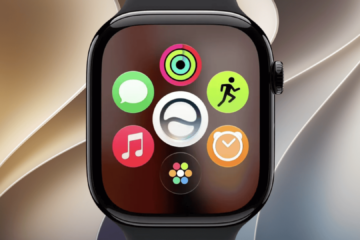
Apple filed suit in July 2025 alleging that Michael Ramacciotti accessed an Apple engineer’s iPhone without permission, viewed a pre-release build of software featuring Liquid Glass, and shared it with Prosser for payment. The interface changes in iOS 26 were among the most visible Apple had made to its software in years, which made the early leak considerably more damaging from Apple’s perspective than a routine spec rumor.
The contrast between the two defendants is striking. Ramacciotti allowed forensic review of an additional device, supplemented his interrogatory responses, offered a follow-up deposition, and had been in informal settlement talks with Apple since October. Prosser, by comparison, had not retained counsel until April 14, 2026, had partially responded to some document requests, and had ignored others entirely.
What the Reset Actually Means
The joint stipulation filed June 9 sets aside the default in exchange for Prosser producing all requested documents by that same date and sitting for a deposition by June 16. Apple framed this as the most efficient path forward, which is probably accurate: a default judgment without full discovery leaves gaps that complicate any eventual damages calculation.
The deal still requires approval from the U.S. District Court for the Northern District of California. If the court signs off, Prosser gets ten days to file a formal response to the complaint, meaning he can contest the allegations for the first time.
Apple’s broader interest here likely extends beyond Prosser. With macOS getting its own Liquid Glass treatment this cycle, the company has clear incentive to establish that pre-release design leaks carry real legal consequences.



0 Comments