Apple Towson Closure Tests What Union Contract Actually Protects
What You Need to Know
- Apple closed three stores Saturday, including Towson Town Center, first unionized U.S. Apple retail location.
- Non-union store employees offered transfers to nearby locations; unionized Towson workers offered only severance payments.
- Apple cites collective bargaining agreement requiring new store within 50 miles for employee transfers or rehiring.
- Union claims agreement requires equal treatment and workers are being punished for unionizing in 2022.
Three Apple stores closed Saturday evening, but the story that matters most involves one location in Maryland where the closure doubles as a test case for what union membership actually delivers.
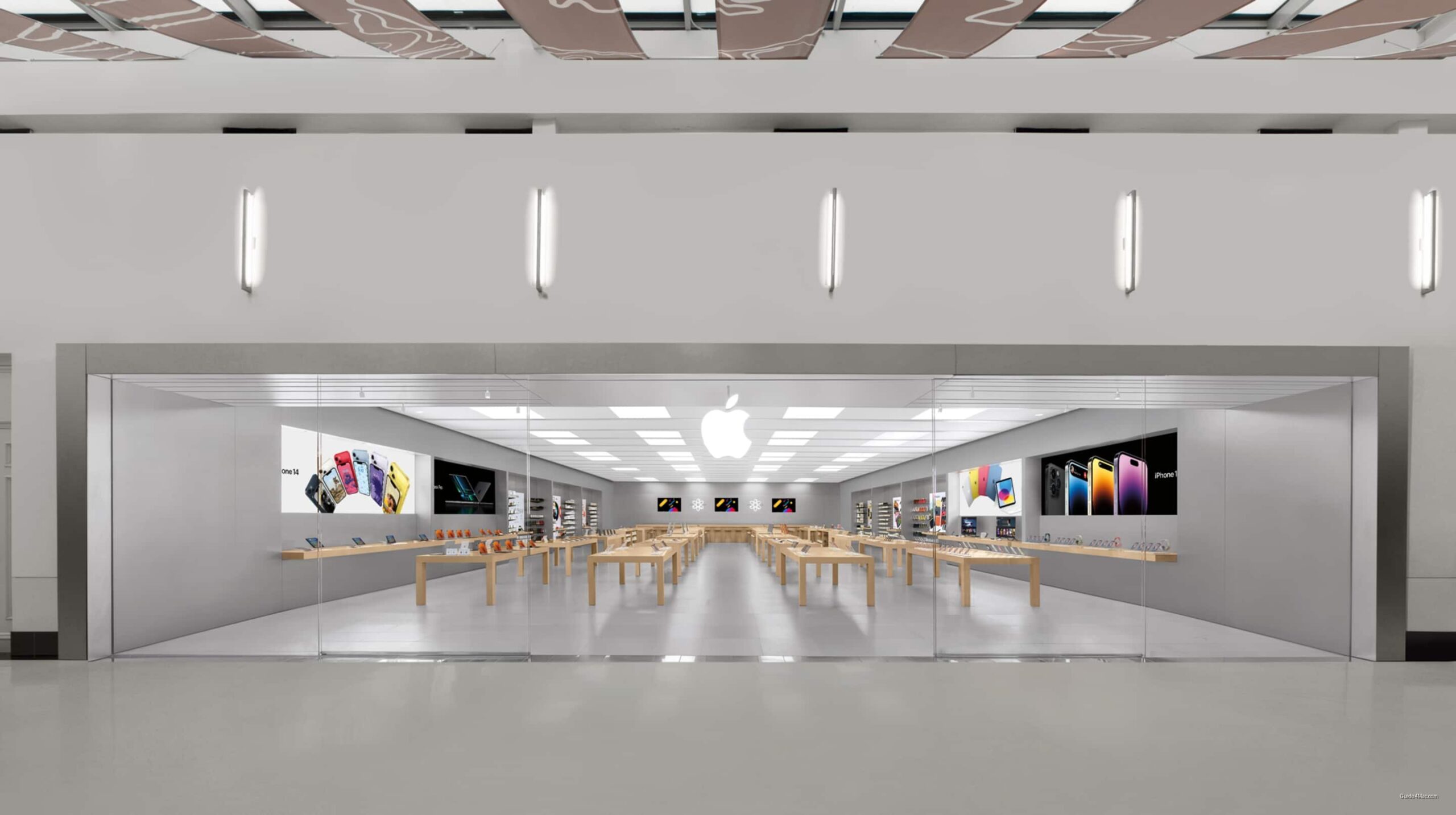
The three shuttered locations are Apple Trumbull in Connecticut, Apple North County in Escondido, California, and Apple Towson Town Center in Towson, Maryland. Apple announced the closures in April, citing declining conditions at the shopping malls where each store operates. Towson Town Center has genuinely lost several major retailers in recent years, so the mall explanation holds up.
What Apple has not explained cleanly is why the treatment of employees differs by store. Workers at the non-union Trumbull and North County locations are being offered transfers to nearby Apple stores. Employees at Towson, the first Apple retail location in the U.S. to unionize, in 2022, are not receiving the same offer.
Apple’s position is that it is honoring the collective bargaining agreement the Towson employees negotiated and ratified in 2024. Under that contract, Apple would transfer or rehire employees only if a new store opened within 50 miles of Towson Town Center. Since Apple says it has no plans to open one, the agreement instead triggers severance payments. Apple argues that is exactly what the union agreed to.
The union’s counter
IAM President Brian Bryant said the agreement “requires equal treatment” and that workers are “being punished” for organizing. The union has been protesting the closure and has drawn support from some Maryland politicians. Apple’s reading of the contract, if accurate, puts the union in an uncomfortable position: the terms it negotiated may have inadvertently made its members worse off than non-union colleagues in this specific scenario.
The practical signal to workers at other Apple locations is harder to dismiss than either side’s official statement. A union contract that produces worse outcomes than no contract at all, even once, is a recruiting problem for organized labor inside Apple retail.




0 Comments