Apple Watch Series 11 Matches Clinical Sleep Lab Equipment in Stanford Study
What You Need to Know
- Apple Watch Series 11 matched clinical sleep lab equipment accuracy to the minute in Stanford Health Care study.
- Apple Watch and Whoop MG maintained accurate heart rate readings during physical stress; Oura Ring and Fitbit Air lost accuracy.
- Whoop MG costs $360 yearly in subscriptions, making Apple Watch cheaper within 12-18 months despite higher upfront price.
- Fitbit Air ranked second in sleep accuracy, outperforming Oura Ring which markets itself primarily on sleep tracking.
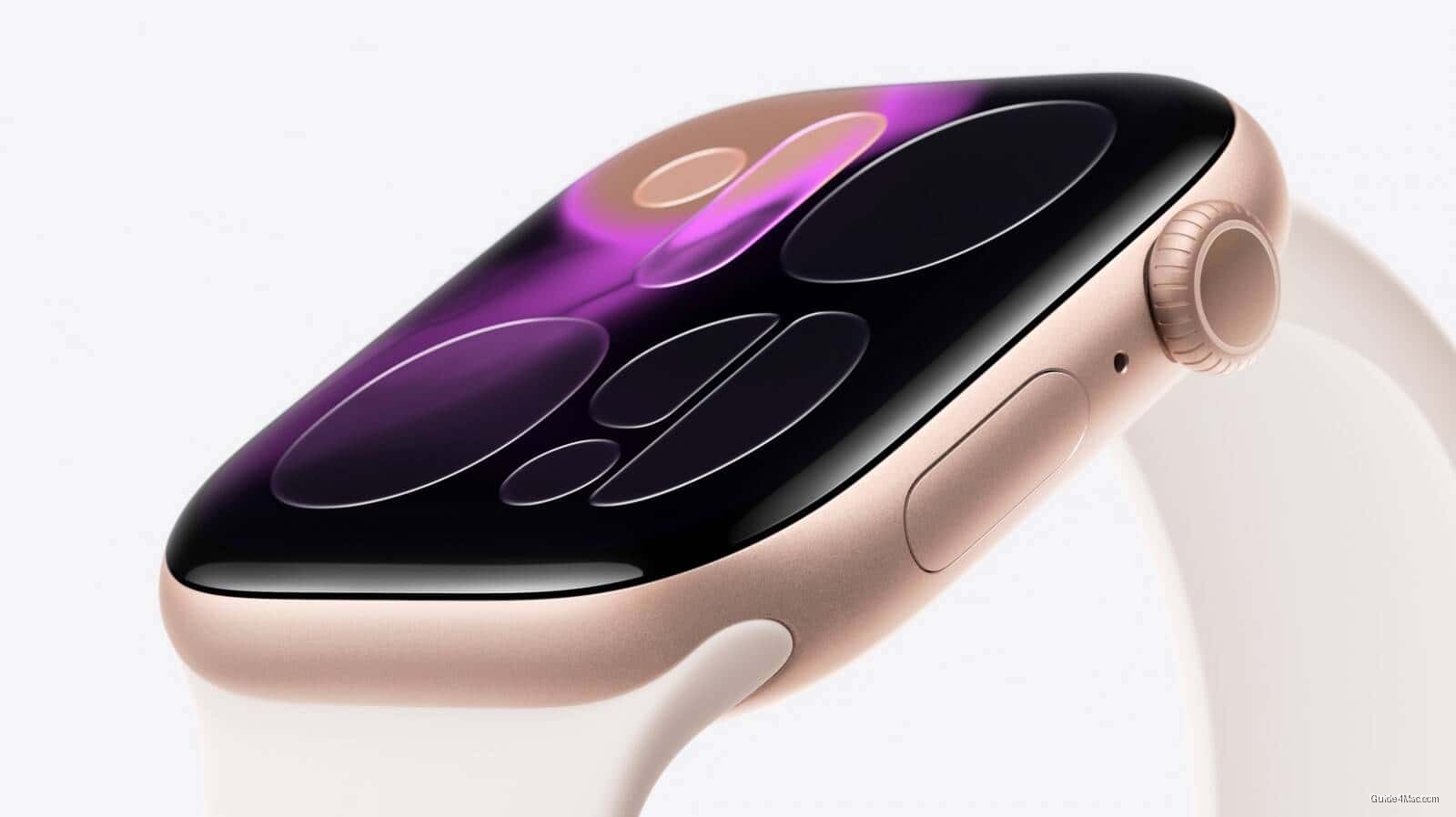
Apple Watch Series 11 topped a clinical sleep study run through Stanford Health Care, matching lab equipment’s recorded sleep duration down to the minute: six hours and 52 minutes. That kind of precision matters because most wearable sleep data is validated against consumer averages, not polysomnography equipment in an actual sleep clinic.
The heart rate results follow a similar pattern. During a bumpy outdoor bike ride, only the Apple Watch and the Whoop MG (worn on the bicep, not the wrist) maintained accurate readings. The Oura Ring and Fitbit Air both lost accuracy under physical stress, which is roughly the scenario where you’d most want reliable data.
The subscription question reframes the value comparison
Oura Ring 5 and Whoop MG both require monthly fees to access their full data sets. Oura charges $5.99 per month, Whoop $30. The Apple Watch has no subscription layer, so the hardware price is the whole cost.
That framing shifts the long-term math considerably. A Whoop MG subscription runs $360 per year on top of the hardware, which means a $400 Apple Watch starts looking inexpensive by comparison within 12 to 18 months of ownership.
The Fitbit Air result is the quiet surprise in this test. Google’s device placed second in sleep staging accuracy, ahead of Oura, which has spent years marketing itself specifically on sleep tracking credibility. Oura finished third in sleep and struggled with heart rate during movement, which is a harder position to defend at its current price point.
One caveat worth keeping in the frame: this is one journalist’s test at one clinic, not a peer-reviewed study with a large sample. Apple’s result is consistent with earlier independent accuracy reviews, but the Fitbit Air’s strong showing is newer and less established across multiple evaluations.


0 Comments