Microsoft Positions AI Agents as Post-App Platform Before Apple’s WWDC
What You Need to Know
- Microsoft declared operating systems and apps are no longer the platform, threatening Windows’ four-decade business model.
- Project Solara combines Qualcomm silicon with Microsoft cloud infrastructure to create persistent AI agents acting across services.
- Microsoft’s announcement precedes Apple’s WWDC to set conversation terms before Apple reveals expanded Siri and Apple Intelligence.
- Solara formalizes Microsoft-Qualcomm partnership, positioning Snapdragon X chips as foundation for AI-capable Windows PCs.
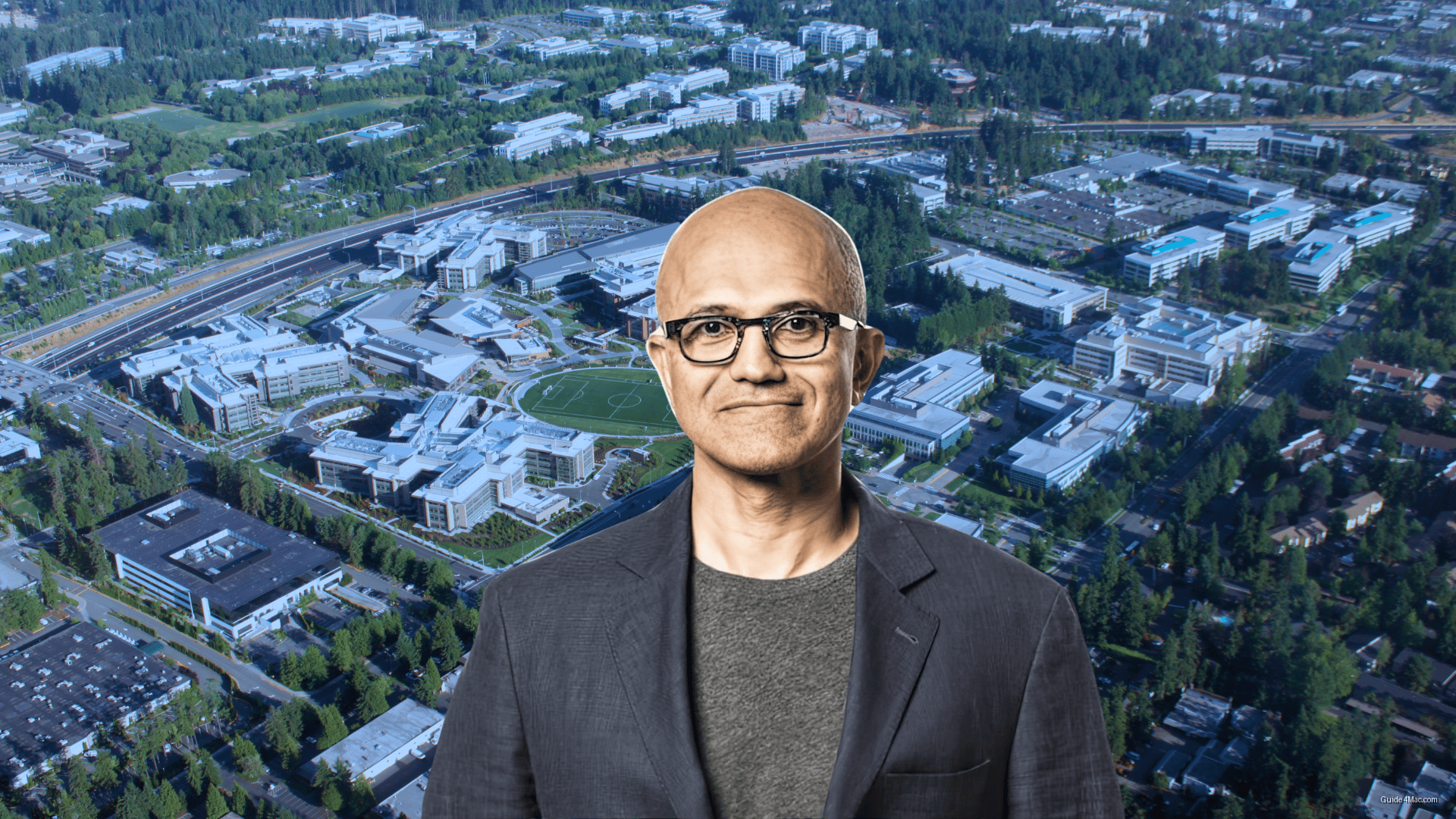
Microsoft’s real announcement at Build was not Project Solara, a chip-to-cloud partnership with Qualcomm that few outside enterprise circles will follow closely. It was Satya Nadella declaring, on stage, that operating systems and apps are no longer the platform. That framing, if Microsoft executes anywhere near it, would eventually threaten the business model Windows has run on for four decades.
The Solara platform combines Qualcomm silicon with Microsoft’s cloud infrastructure, positioning AI agents as persistent, context-aware intermediaries between users and their devices. The architecture is designed so agents can act across services without waiting for a user to open an app and issue a command. That is a meaningful structural difference from how Copilot currently works inside Office or Windows.
Why the Timing Is Not Accidental
Apple’s WWDC opens in days, and the company is widely expected to show expanded Siri capabilities and deeper Apple Intelligence integration. Microsoft making a loud “post-app era” declaration the week before is not coincidence. Nadella has done this before, using Build to set the terms of a conversation Apple then has to respond to.
The Qualcomm angle matters beyond the hardware specs. Qualcomm has been pushing its Snapdragon X chips as the foundation for AI-capable Windows PCs, and Solara formalizes that relationship into something closer to a joint platform strategy. It also keeps Qualcomm relevant in a market where Nvidia dominates the AI conversation almost entirely.
What Nadella’s framing leaves unanswered is whether users actually want agents making decisions across their services, or whether they want the control that opening an app provides. The agent pitch assumes friction is the problem. Sometimes friction is the feature.
The “platform shift” language is doing a lot of work here. Microsoft said something similar about the cloud, about mobile, and about mixed reality. Two of those calls were correct.


0 Comments