Image Playground Now Edits Photos, Not Just Generates Them
What You Need to Know
- Image Playground now edits existing photos, not just generates images, positioning it as lightweight Photoshop alternative.
- Generative processing moved to Private Cloud Compute servers rather than on-device, requiring images leave the device.
- Editing tools let users circle objects, move or resize them, and describe text changes to alter photo content.
- Developers gain API access to photorealistic generation and editing capabilities for third-party app integration.
Photorealism is the headline Apple wants you to focus on, but the more consequential shift in Image Playground is that editing existing photos is now part of the feature set, not just generating images from scratch. That moves Image Playground from a novelty into something closer to a lightweight Photoshop alternative baked into iOS.
The new generative model runs on Private Cloud Compute rather than on-device, which keeps the hardware requirements manageable but means your images are leaving the device for processing. Apple has leaned hard on Private Cloud Compute as a privacy-preserving middle ground, though it is a different promise than the fully local processing Apple Intelligence originally emphasized. Every output gets a hidden SynthID watermark, Google DeepMind’s provenance standard, which Apple adopted rather than building its own.
The editing tools are the part worth watching closely. Users can circle or brush specific objects, then move or resize them, and can describe changes in plain text to alter an existing photo’s content or style. That interaction model is closer to what Adobe Firefly or Google Photos’ Magic Editor offer, and Apple is now competing directly in that space without framing it that way.
Broader Integration
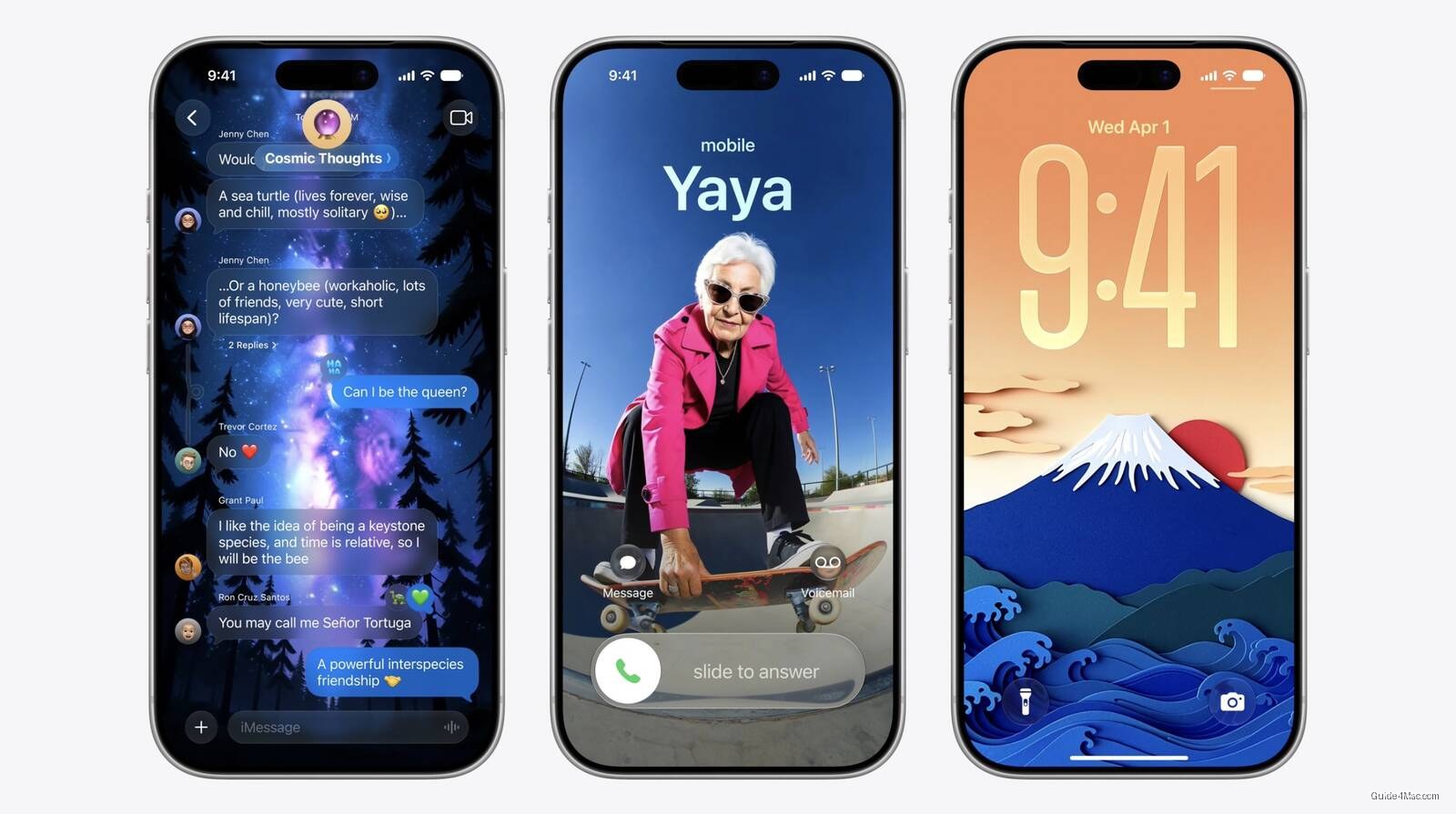
The expansion into Lock Screen wallpapers and Contact Posters is a quiet but practical move. Those are two surfaces where users already spend time customizing, and attaching a generative tool directly to them removes the friction of creating an image somewhere else and importing it.
Developers get API access to photorealistic generation and editing, which is where the real surface area grows. Third-party apps that previously used Image Playground for stylized illustrations can now offer photo-realistic output without building or licensing their own models. For smaller app developers, that is a meaningful cost and complexity reduction.




0 Comments