Image Playground Generates Photorealistic Photos in iOS 27, Requires iCloud+
What You Need to Know
- Image Playground now generates photorealistic images from text prompts, competing with standalone AI generators.
- IOS 27 update adds targeted editing: users circle objects and instruct the app to replace or remove them.
- Advanced generation features require iCloud+ subscriptions and work only on M-series iPads, recent Macs, and current iPhones.
- Apple embeds invisible watermarks in all generated images to address credibility concerns about photorealistic AI output.
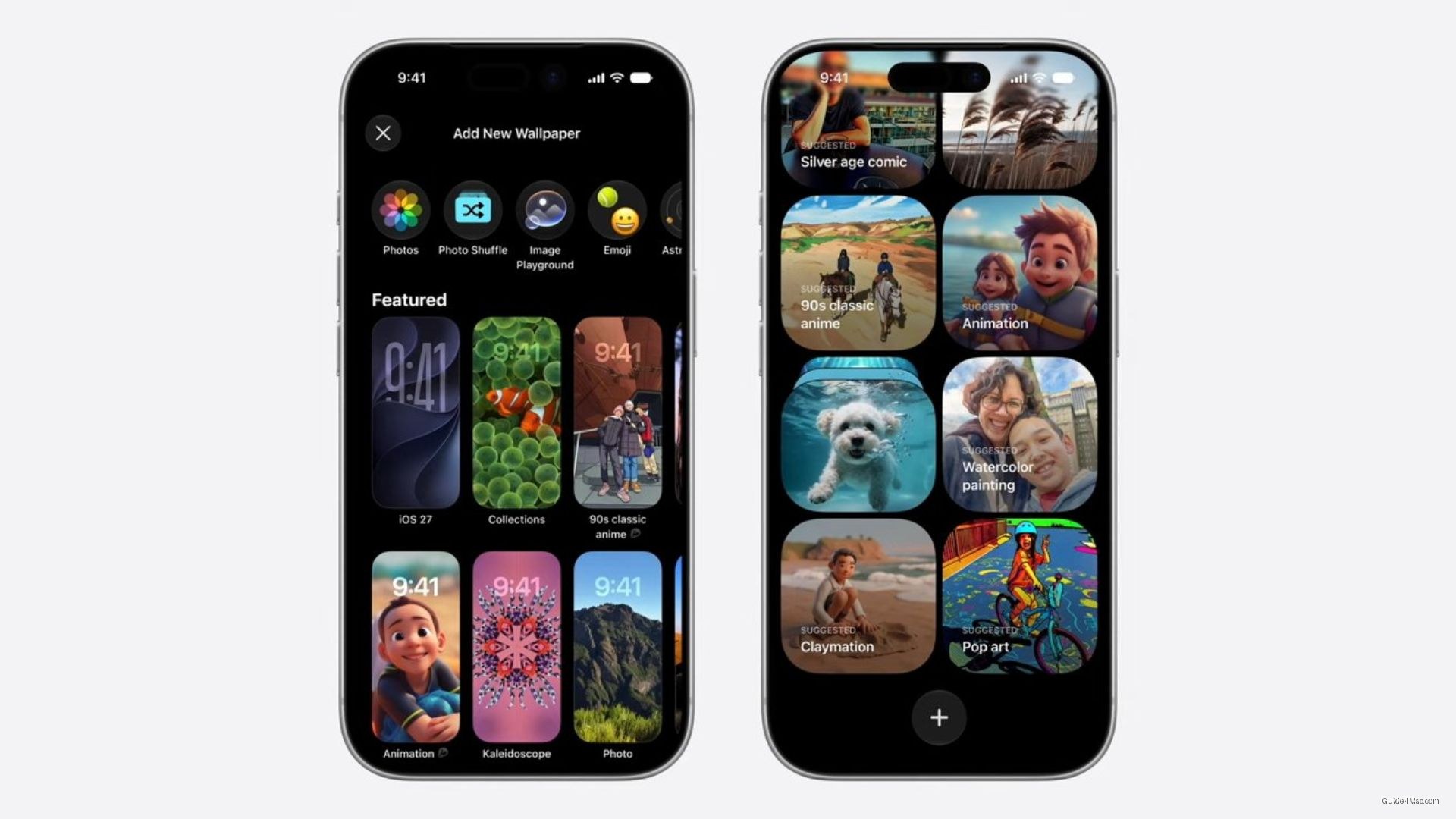
Apple’s Image Playground started as a way to generate cartoon stickers. With iOS 27, it produces photorealistic images from text prompts, putting it in direct competition with standalone generators that have been running laps around Apple’s AI tools for the past two years.
The update removes the cartoon-only restriction entirely. Type a short description, and the app returns something that reads visually as a photograph rather than an illustration. Apple is also extending this into editing: users can circle an object in an existing photo, type an instruction, and the app replaces or removes that element while leaving the surrounding image intact. That combination of generation and targeted editing in one native app is the more practical shift here.
None of this runs free of friction. Access to the most compute-heavy generation features is tied to iCloud+ subscriptions, a detail Apple did not lead with during the presentation. Hardware requirements also apply, with the features limited to M-series iPads, recent Macs, and current iPhone models. Owners of the budget-tier iPhone 17e may see slower processing due to chip constraints.
Watermarking and the Realism Problem
Because the output now looks like a real photograph, Apple is embedding invisible watermarks in every generated image. The approach mirrors what other AI image platforms have adopted under pressure from regulators and platform policies, and it signals that Apple anticipated the credibility problem before launch.
The Genmoji tools also received consistency improvements alongside this update, meaning the same prompt is less likely to produce different results across attempts. That quieter fix matters more for daily use than the photorealism headline, since unpredictable outputs were the main reason casual users stopped trusting the tool. Apple’s broader AI visual strategy, which reportedly extends toward wearable camera hardware in future products, suggests image generation is now a platform priority rather than a side feature.



0 Comments