IOS 26 Adoption Slips 3 Points Behind iOS 18 at Same Stage
What You Need to Know
- IOS 26 adoption reached 79% on all iPhones, down 3 points from iOS 18 last year.
- IPadOS 26 adoption hit 68% on all iPads, down 3 points compared to iPadOS 18.
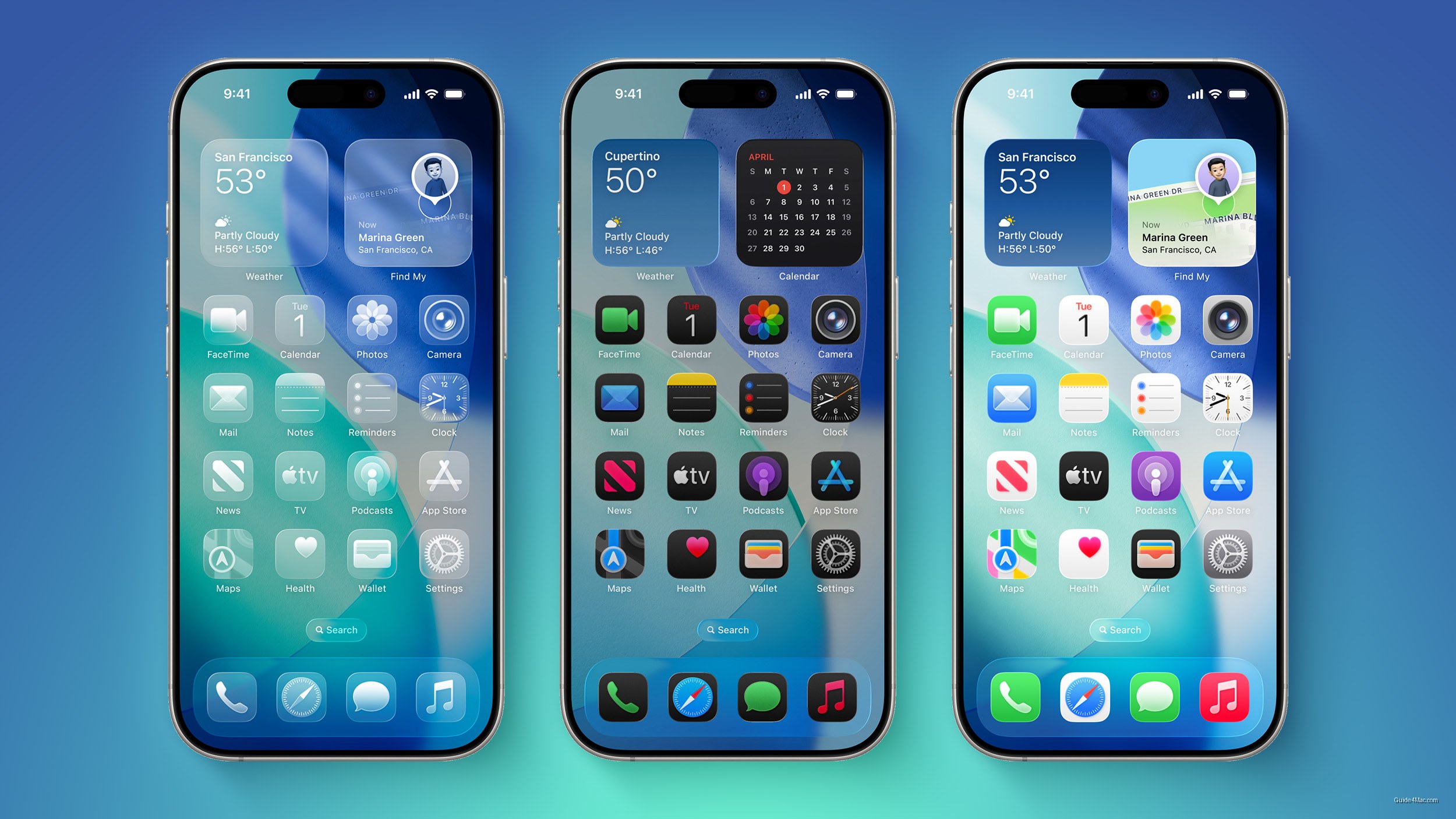
- Liquid Glass redesign may have slowed iOS 26 upgrades, similar to iOS 7’s visual overhaul in 2013.
- IOS 27 beta testing began after WWDC 2026, with pressure to deliver promised Siri intelligence features.
Apple’s iOS 26 adoption numbers, released the day before WWDC 2026 kicked off, landed slightly below where iOS 18 stood at the same point last year. The gap is small but consistent across every metric Apple published.
The full comparison tells a tidy story:
- iOS 26 on all iPhones: 79% (vs. 82% for iOS 18)
- iOS 26 on iPhones from the last four years: 86% (vs. 88%)
- iPadOS 26 on all iPads: 68% (vs. 71%)
- iPadOS 26 on iPads from the last four years: 79% (vs. 81%)
A two to three point decline across the board is not a collapse, but it does suggest iOS 26’s adoption curve ran slightly cooler than its predecessor. One plausible explanation: the Liquid Glass redesign that shipped with iOS 26 gave some users pause, the way iOS 7’s visual overhaul did in 2013, where unfamiliar aesthetics slow the upgrade impulse even among otherwise enthusiastic owners.
iOS 27 Takes Over
These are Apple’s final iOS 26 figures. With iOS 27 beta testing now underway following WWDC 2026, the adoption clock resets. The pressure on iOS 27 is real: Siri’s long-promised intelligence features still have ground to recover, and this release is Apple’s clearest shot at delivering on commitments made two years ago.
For users still on older software, the adoption snapshot is a quiet reminder that keeping your iPhone or iPad current unlocks more than just new features. The 21% of iPhones not yet on iOS 26 include a mix of older hardware that simply cannot upgrade and owners who have chosen to wait, a distinction Apple’s aggregate numbers do not separate out.
Apple measures adoption using App Store transaction data from a single day, which captures active devices but misses anything sitting in a drawer. That methodological footnote matters less for the headline numbers than for the long tail.



0 Comments