IOS 27 Opens iCloud Shared Albums to Android Users
What You Need to Know
- ICloud Shared Albums now accept contributions from Android and Windows users, expanding beyond Apple’s ecosystem.
- IOS 27 claims 80% faster AirDrop transfers, suggesting significant architectural improvements to the feature.
- Spotlight received a rebuilt indexing engine with adaptive analysis, addressing years of on-device search quality gaps.
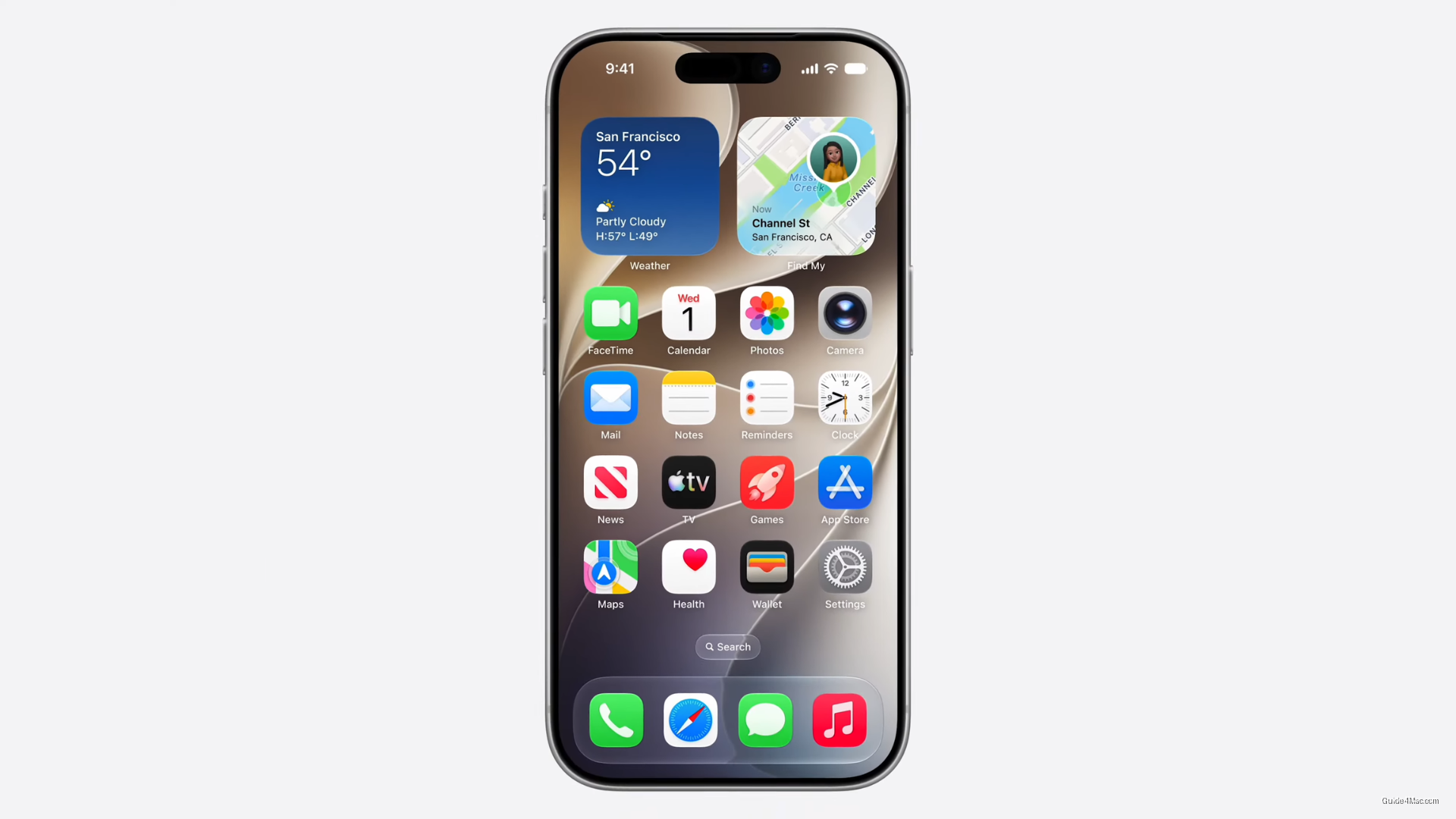
- Liquid Glass customization now includes transparency sliders and refined refraction effects based on user feedback.
Apple’s most interesting move in iOS 27 is not the speed improvements or the redesigned search. It’s that iCloud Shared Albums now accept contributions from Android and Windows users, a quiet but meaningful concession that Apple’s walled garden approach to photo sharing has been costing it in households where not everyone uses an iPhone.
The performance numbers Apple is citing are unusually specific for a software announcement. A 30% faster app launch claim is standard marketing, but an 80% faster AirDrop transfer figure suggests the bottleneck was more architectural than anyone at Apple was publicly admitting. The optimized CPU scheduler is also worth taking seriously: when Apple says older iPhones will “feel more responsive,” that language typically tracks with real improvements on the iPhone 11 and SE devices that still make up a large share of the active install base.
Search Gets a Full Rebuild
Spotlight getting a rebuilt indexing engine is the kind of change that sounds incremental but compounds across daily use. Apple has been playing catch-up on on-device search quality for years, and the new system analyzing device context post-update suggests the indexing is now adaptive rather than static. Mail’s new ranking system fits the same logic: relevance-first rather than chronological-first.
The Liquid Glass customization additions (transparency sliders, refined refraction effects) read as a response to user feedback that the design language introduced in iOS 26 was too aggressive for some display environments. Apple rarely adds manual overrides to its visual systems unless the complaints reach a threshold it can’t ignore.
FaceTime’s dual-camera support and the AirPods Custom EQ controls are both features that Android competitors have offered for a while. Neither is surprising at this point, but their arrival together suggests Apple is doing a more systematic audit of feature parity gaps rather than addressing them one cycle at a time.
The compatibility floor staying at iPhone 11 and second-generation SE means Apple is supporting hardware that is now six to seven years old. That’s a longer tail than most Android manufacturers maintain, and it shapes how the performance claims should be read: the gains are real, but they’re being spread across a very wide range of silicon.



0 Comments