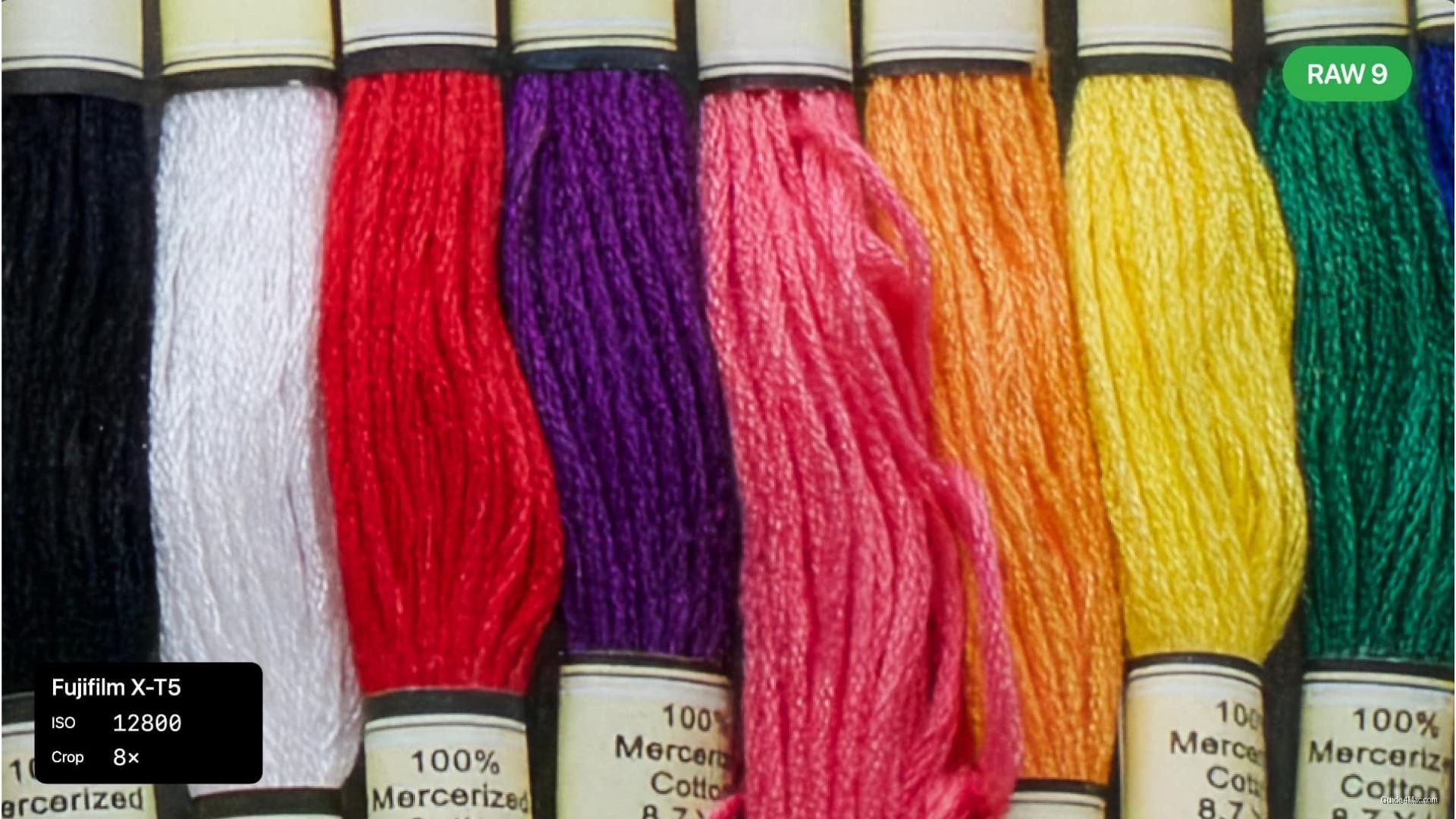
IOS 27 RAW 9 Brings Apple’s Neural Engine to Third-Party Photo Editors
What You Need to Know
- Apple introduced RAW 9, a neural engine-based image processing pipeline for third-party developers.
- Pipeline supports RAW files from Canon, Sony, Nikon, and other camera bodies, not just iPhones.
- Noise reduction and color correction process on-device via Neural Engine in iOS 27, iPadOS, macOS.
- Third-party apps must voluntarily update to adopt the new pipeline; no automatic changes for users.
Apple quietly introduced a new RAW image processing pipeline at WWDC called RAW 9, and the most telling detail is where it sits in the stack: this is infrastructure for developers, not a feature Apple will put in a keynote slide next to the camera bump count.
RAW processing is the step between what a sensor captures and what a user actually sees. Every camera app that supports RAW files runs its own version of this pipeline, and the quality gap between a well-tuned engine and a mediocre one is visible to anyone who edits seriously. Apple is now offering its own neural engine-based solution as the default option for third-party developers to adopt.
The technical specifics matter here:
- Noise reduction and color correction run on-device via the Neural Engine
- The pipeline supports RAW files from hundreds of third-party camera bodies, not just iPhone sensors
- It ships as part of the iOS 27, iPadOS, and macOS SDK rollout this fall
That last point is the underreported angle. Supporting RAW files from Canon, Sony, and Nikon bodies means Apple is positioning this as a general-purpose editing tool, not just a way to make ProRAW files look better on an iPhone. It puts Apple’s processing pipeline in direct competition with the demosaicing engines inside Lightroom and Capture One, at least for developers building on Apple platforms.
What changes for users
Nothing changes automatically. Apps like Halide, Darkroom, or any other RAW-capable editor will need to update their processing layer to call the new pipeline. Some will adopt it quickly; others may prefer to keep their own engines for differentiation or quality control reasons.
The fall timeline is tight given that developers are only getting access now. Realistically, the first wave of updated apps arrives sometime in late 2025, which means the practical payoff for photographers is probably early 2026.



0 Comments