IOS 27 Adds Resizable Windows Ahead of Foldable iPhone in 2026
What You Need to Know
- IOS 27 contains internal code referencing “foldState” and “angleDegrees,” suggesting Apple is preparing foldable iPhone hardware.
- Foldable iPhone expected to launch September 2026 alongside iPhone 18 Pro, requiring apps designed for flexible layouts.
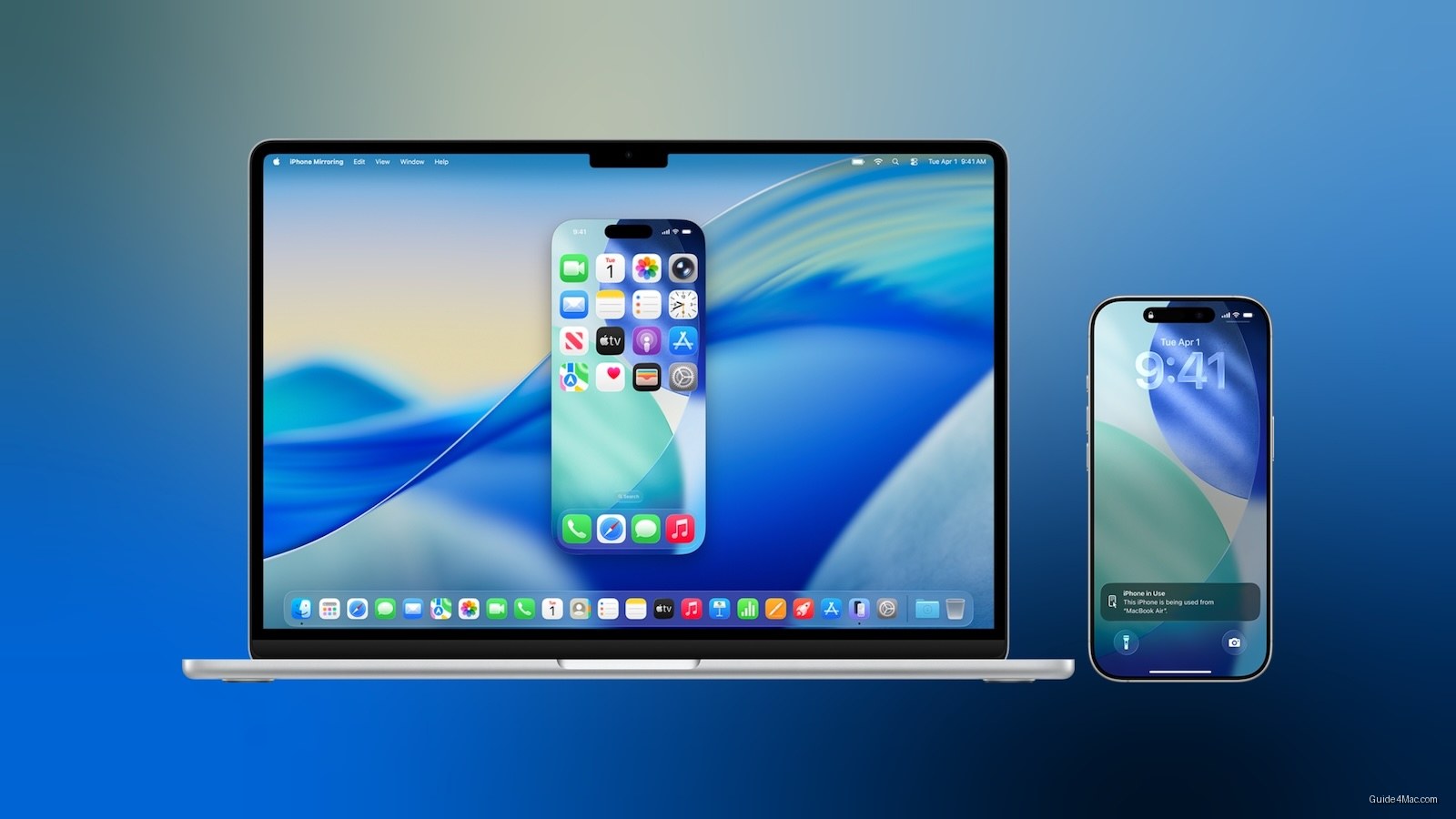
- MacOS 27 allows iPhone Mirroring windows to snap to multiple aspect ratios, rendering adjusted iPhone or iPad layouts dynamically.
- Apple requires developers to build against latest SDK for automatic resizable behavior support across varying screen sizes.
The most telling detail in this story is not the resizable window. It is that iOS 27 contains internal strings named “foldState,” “angleDegrees,” and a key that counts built-in displays on a device, which is only interesting if a device might have more than one.
Apple’s push for flexible layouts is being framed as a developer convenience, but the timing and the internal framework names make the actual purpose fairly legible. Apple is asking developers to stop designing for fixed screen shapes at exactly the moment it is preparing hardware that will change shape. The foldable iPhone, widely expected to ship alongside the iPhone 18 Pro in September 2026, needs an app ecosystem that does not break when the screen unfolds.
The iPhone Mirroring changes themselves are real and useful. Starting with macOS 27 Golden Gate, the mirroring window snaps to several fixed aspect ratios rather than staying locked to the iPhone’s native proportions. Depending on which ratio you choose, the system renders either an adjusted iPhone layout or an iPad layout if the app has one. The catch is that the flexibility only applies to iOS 27-compatible native apps for now.
What changes for developers
Apple’s message at the Platforms State of the Union was direct: build against the latest SDK and your app automatically opts into resizable behavior. A new resizable iOS simulator in Xcode lets developers test across a wide range of sizes without needing physical hardware. That tooling investment suggests Apple expects developers to encounter genuinely unfamiliar screen geometries soon.
Control Center also joins iPhone Mirroring in macOS 27, alongside the existing Home Screen, App Switcher, and Spotlight access. That is a smaller addition, but it continues the pattern of making the mirrored iPhone feel less like a viewport and more like a second computer.
The foldable iPhone framework strings could be scrubbed before release, as internal code sometimes is. But the combination of resizability mandates, new simulator tooling, and explicit foldable APIs arriving in the same cycle is a fairly coordinated set of moves.



0 Comments