IPhone Fold Ditches Face ID For Touch ID, Breaking Seven Years of Apple Strategy
What You Need to Know
- IPhone Fold would use Touch ID instead of Face ID, marking first flagship iPhone without Face ID since 2017.
- Inner display measures 7.8 inches, matching iPad mini screen area; outer screen is 5.5 inches with wider aspect ratio.
- Device features two rear cameras, positioning it closer to standard iPhone tier despite expected premium pricing.
- Front camera placement in top-left corner of inner display breaks from Apple’s centered Dynamic Island layout.
The most underreported detail in the iPhone Fold coverage is the Touch ID decision, which would mark the first flagship iPhone without Face ID since Apple introduced it in 2017. That is a genuine architectural reversal, not a minor spec note.
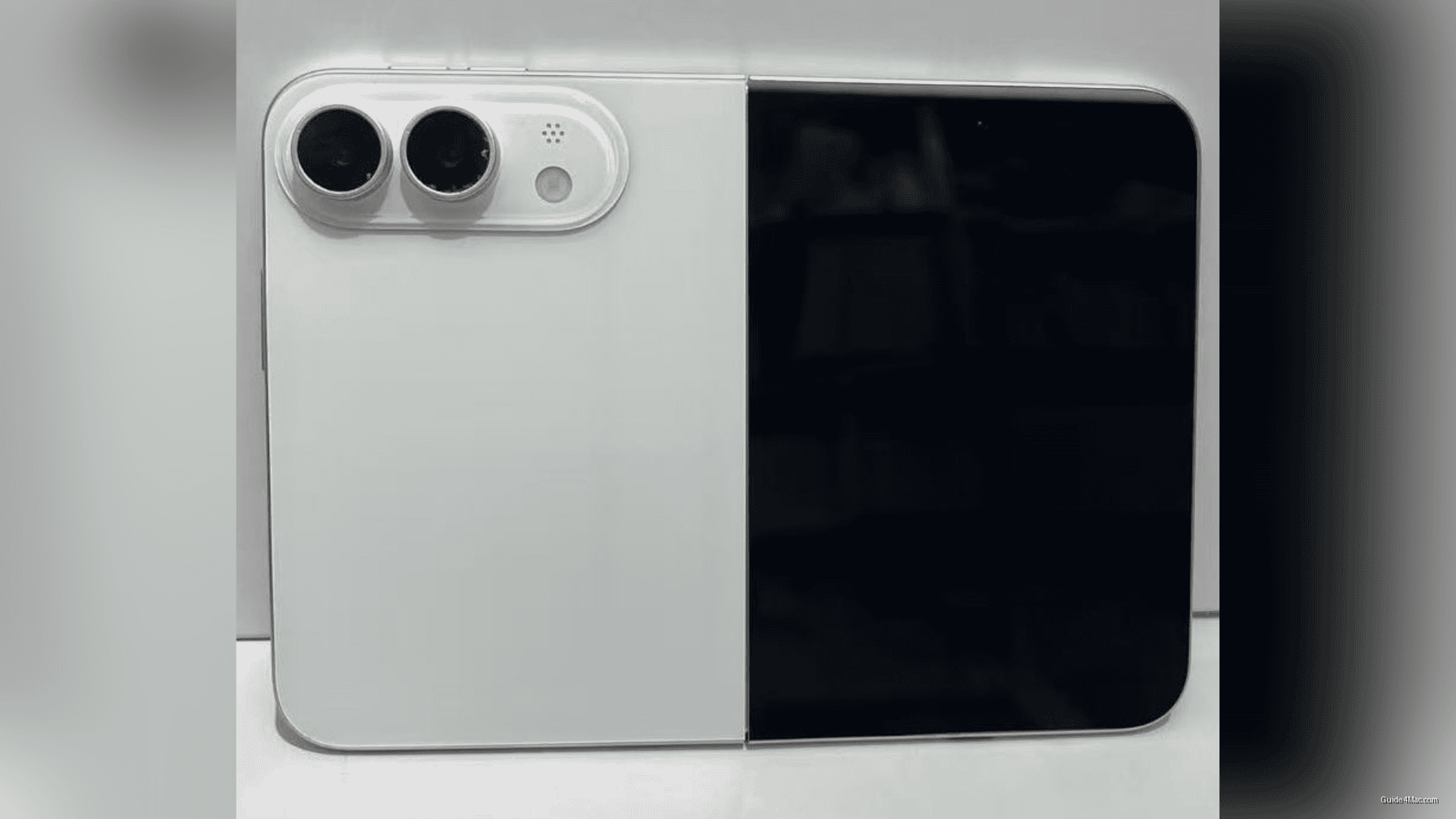
Dummy units shared by Sonny Dickson show a device with a 7.8-inch inner display, roughly matching the iPad mini in screen area, and a 5.5-inch outer screen with a wider, shorter aspect ratio than any current iPhone. The front camera sits in the top-left corner of the inner display, breaking from the centered Dynamic Island layout Apple has used across its recent lineup.
The Touch ID placement, built into the side button, mirrors what Apple already does on the iPad mini and older iPad Air models. On a foldable, where Face ID geometry gets complicated by two display halves and shifting orientations, the fingerprint sensor is probably the more reliable solution. Still, Apple has spent years positioning Face ID as the premium authentication method, so any marketing around this will require some careful framing.
Camera and Color
Two rear cameras appear in the dummy images, a step down from the three-lens setups on the Pro line, which positions this device closer to the standard iPhone tier despite its likely premium price. Color options look limited to white, at least based on current mockups, though pre-production units rarely tell the full color story.
Apple’s main structural challenge with foldables has always been the crease. Samsung has reduced it considerably over several generations, and multiple supply chain reports suggest Apple has made minimizing it a specific engineering priority here.
The iPad app ecosystem gives Apple a real advantage over Android foldables at launch. Developers have already built and optimized apps for that screen size, so the software experience on day one should be stronger than what Samsung or Google faced when they first shipped large-format foldables.



0 Comments