IPhone Mirroring Now Scales to iPad Size, Hinting at Foldable Testing
What You Need to Know
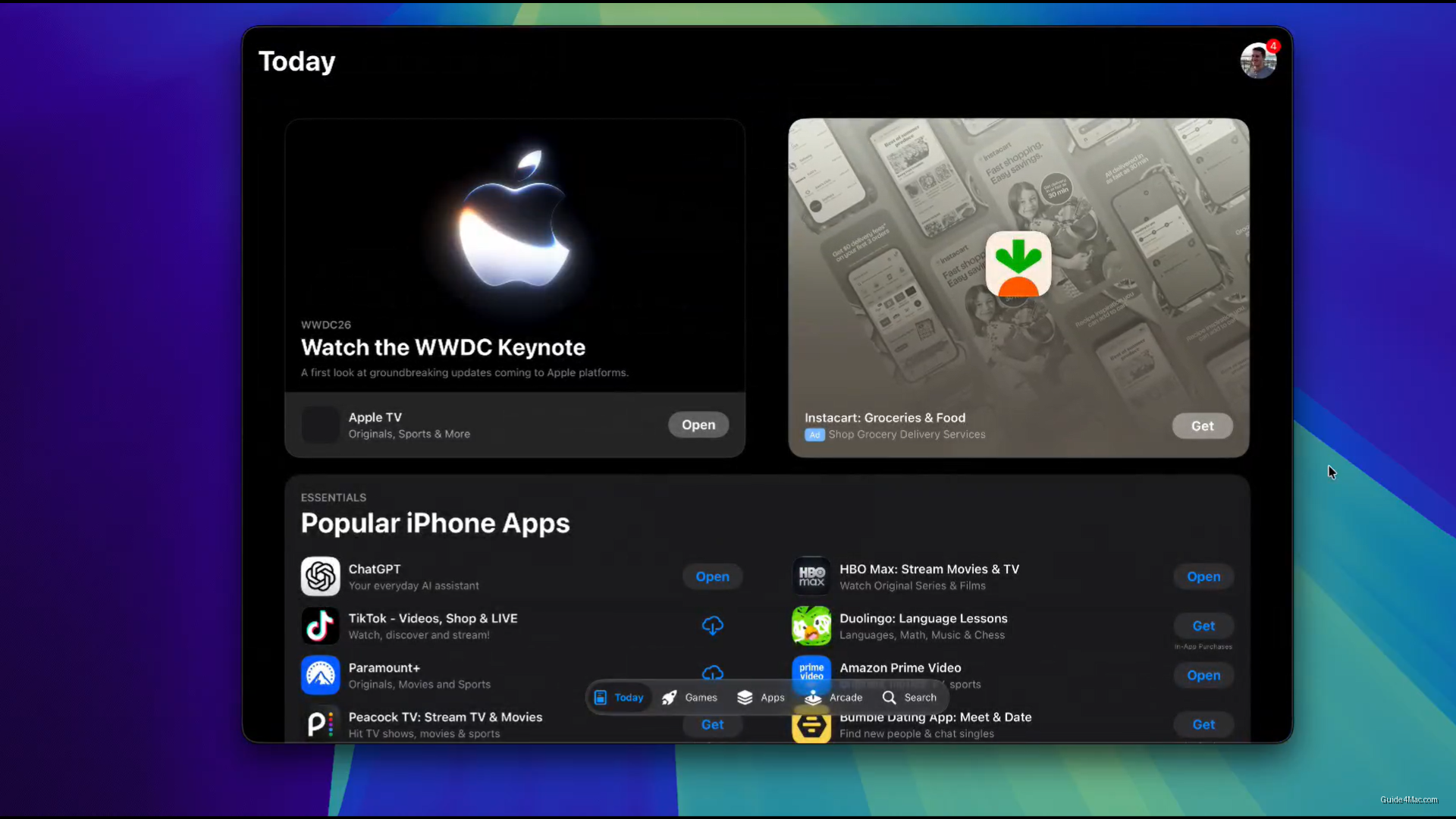
- Apple expanded iPhone Mirroring in macOS 26 to scale windows to iPad-like proportions.
- Foldable iPhone expected 2026-2027 will have display comparable to small iPad size.
- Scalable Mirroring window lets developers test app layouts before foldable hardware releases.
- Infrastructure change timing suggests Apple preparing developer ecosystem for upcoming foldable device.
Apple quietly expanded iPhone Mirroring in macOS 26 to allow the window to scale up to roughly iPad proportions, a change that reads as a minor quality-of-life fix until you place it next to the foldable iPhone timeline.
The foldable iPhone, widely expected to arrive in 2026 or early 2027, is rumored to open into a display comparable in size to a small iPad. The core software challenge for that device is not the hinge, it is convincing iPhone apps to reflow gracefully at larger dimensions without looking like stretched phone layouts. That is exactly the problem a scalable Mirroring window lets developers observe and test right now.
What This Changes for Developers
Apple has not said anything publicly connecting these dots, but the practical effect is straightforward. Developers who use iPhone Mirroring as part of their workflow can now see how their apps handle a larger canvas before any foldable hardware ships. Interface elements that break, clip, or look awkward at iPad-scale dimensions in Mirroring will almost certainly behave the same way on an unfolded foldable screen.
The update also nudges the broader developer community toward thinking about iPhone apps at non-phone sizes, something Apple has historically struggled to mandate through guidelines alone. iPad app adoption among iPhone developers has remained stubbornly incomplete for years.
For everyday Mac users, the change is genuinely useful on its own terms. Reading documents, watching video, or navigating apps through Mirroring becomes noticeably more comfortable at larger sizes without needing a second device.
The more telling detail is timing. Apple tends to seed infrastructure changes well before the hardware that depends on them ships, and this follows that pattern closely enough to be worth tracking. Whether or not a foldable iPhone arrives on schedule, the software groundwork is clearly being laid in plain sight.



0 Comments