MacOS 26 Drops Support for All Intel Macs, M1 Minimum Required
What You Need to Know
- MacOS 26 requires M-series chips; Intel Macs receive security patches only.
- M1 Macs from late 2020 onward are supported; Intel models sold through mid-2023 excluded.
- Apple Intelligence features require M-series neural processing; cannot run on Intel architecture.
- Intel Mac owners lose access to future features while receiving limited security updates indefinitely.
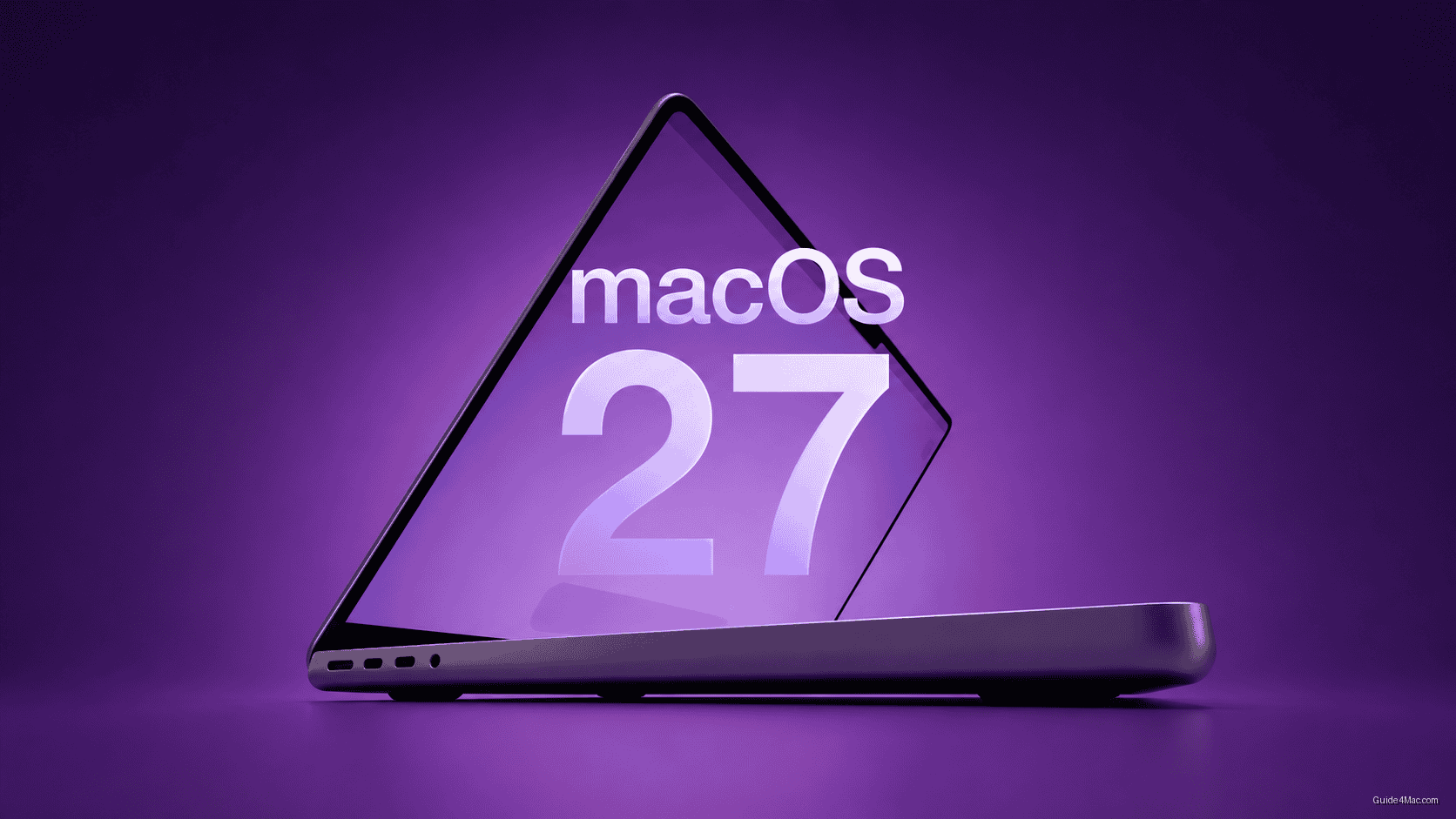
Apple is cutting off Intel Macs entirely with macOS 26, requiring an M-series chip as the minimum bar to run this fall’s update. That’s the real news, and it lands harder than the compatibility list itself suggests.
The M1 launched in late 2020, which means any Mac purchased before roughly December of that year is now on a security-patch-only track. Apple has been signaling this transition since the M1 debut, when it promised a two-year overlap for Intel support. That window has closed, and this is the formal door shutting.
The supported machines break down as follows:
- MacBook Air: M1 (2020) and later
- MacBook Pro: M1 (2020) and later
- iMac: M1 (2021) and later
- Mac mini: M1 (2020) and later
- Mac Studio: M1 (2022) and later
- Mac Pro: M2 (2023) and later
What this means for the installed base
The cut affects a meaningful slice of users. Intel Macs were sold through mid-2023 in some configurations, so there are machines only two or three years old that will never run macOS 26. Apple’s own retail stores were still selling Intel Mac Pros into 2023, which makes the exclusion feel abrupt for buyers on that end of the lineup.
The practical consequence is that Apple Intelligence features, which require on-device neural processing, simply cannot be backported to Intel hardware. The architecture gap is real, not a marketing decision. Apple is not artificially throttling older chips; the unified memory model and Neural Engine are baked into the M-series silicon in ways that Intel configurations cannot replicate.
For anyone sitting on a 2019 or 2020 Intel machine, the calculus is straightforward: security updates will continue for some period, but the feature roadmap is gone. Apple has not specified how long those security patches will last, which is the question that actually matters for anyone deciding whether to upgrade now or wait.



0 Comments