MacOS 27 Brings Back the Iconic Hand Cursor After User Pushback
What You Need to Know
- Apple reversed a cursor design change within one macOS release cycle due to sustained user and developer feedback.
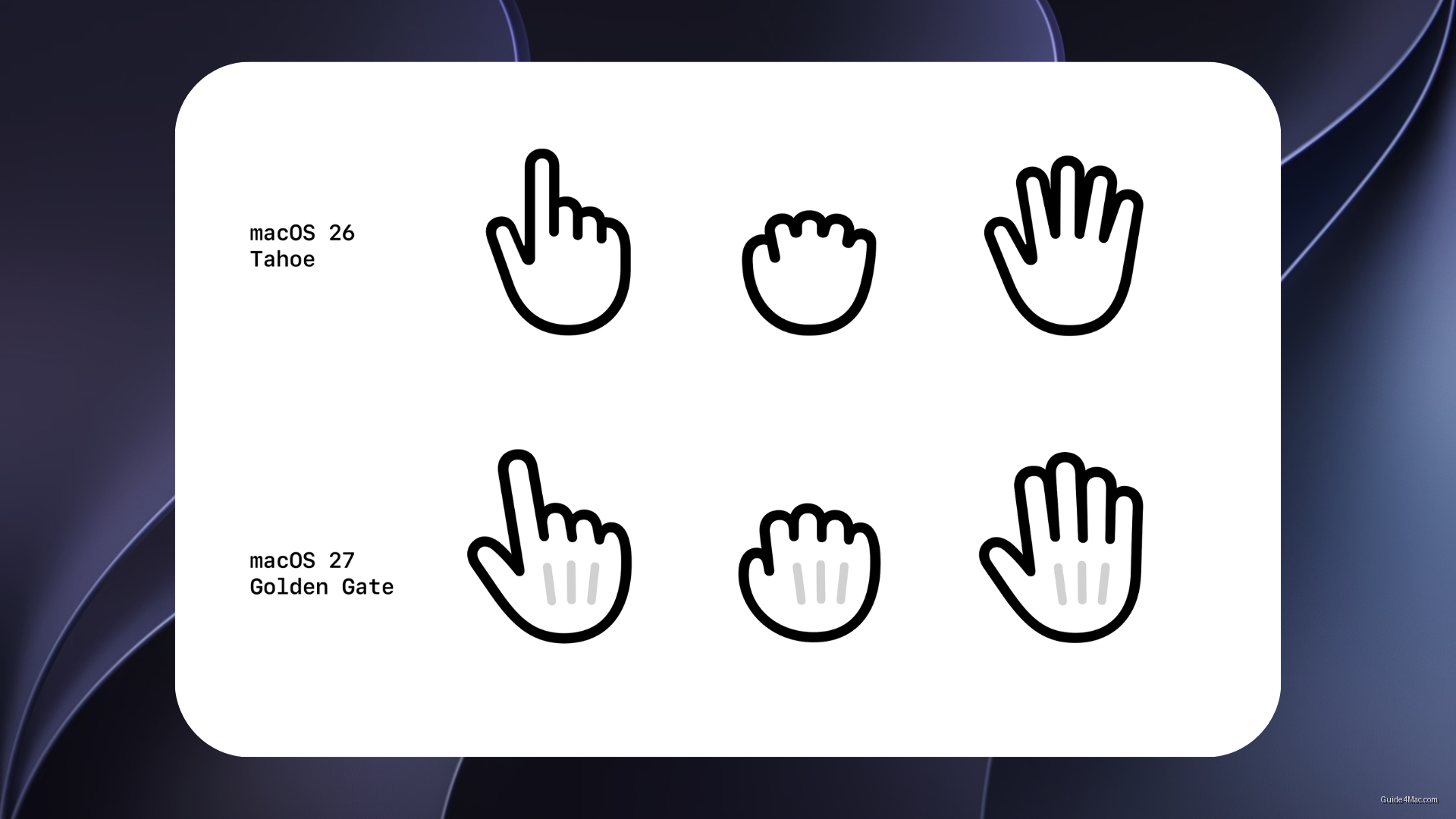
- The glove-style hand cursor, removed in macOS Tahoe, was restored in macOS 27 Golden Gate as a redesigned version.
- Apple’s one-cycle correction on a cursor design is unusually fast compared to typical interface decision reversals.
- Users’ affectionate “Mickey Mouse hand” nickname indicated the cursor carried significant identity and cultural value to the Mac community.
The real story here is not that Apple brought back a cursor. It’s that a single pointer design generated enough sustained pushback to reverse an OS-level decision within one major release cycle.
Apple pulled the glove-style hand cursor in macOS Tahoe, a design element that had been part of the Mac interface since the era when skeuomorphism was doctrine rather than nostalgia. The replacement was cleaner, flatter, and apparently unpopular enough that developers filing feedback and users complaining publicly moved the needle faster than most interface grievances do.
The restored cursor in macOS 27 Golden Gate is not a straight revert. Apple describes it as a redesigned version, meaning the shape reads as the familiar glove while the execution aligns with the visual language of the current system. That distinction matters because it signals the company found a way to satisfy the complaint without walking back the broader aesthetic direction of Tahoe.
Why the Feedback Loop Is the Actual Story
Apple reverses course on interface decisions less often than the discourse suggests. When it does, the turnaround usually takes longer, think the years it took to address the Mac Pro’s thermal constraints or the keyboard mechanism complaints from MacBook users. A one-cycle correction on something as granular as a cursor is relatively fast.
The “Mickey Mouse hand” nickname itself tells you something about how embedded the element was. Users do not develop affectionate nicknames for things they barely notice. The cursor carried enough identity that its removal felt like subtraction rather than refinement.
Whether this signals a broader shift toward preserving legacy Mac character inside Apple’s current design team is unclear. What the episode does confirm is that the developer beta process still functions as a pressure release valve, and that Apple is at least reading the room on the details that users actually notice.



0 Comments