MacOS 27 Drops Support for Intel Macs Under Five Years Old
What You Need to Know
- Apple discontinues Intel Mac support in macOS 27, locking out machines sold at full price less than five years ago.
- MacOS 27 performance gains partly result from optimizing exclusively for Apple Silicon architecture without legacy compatibility burden.
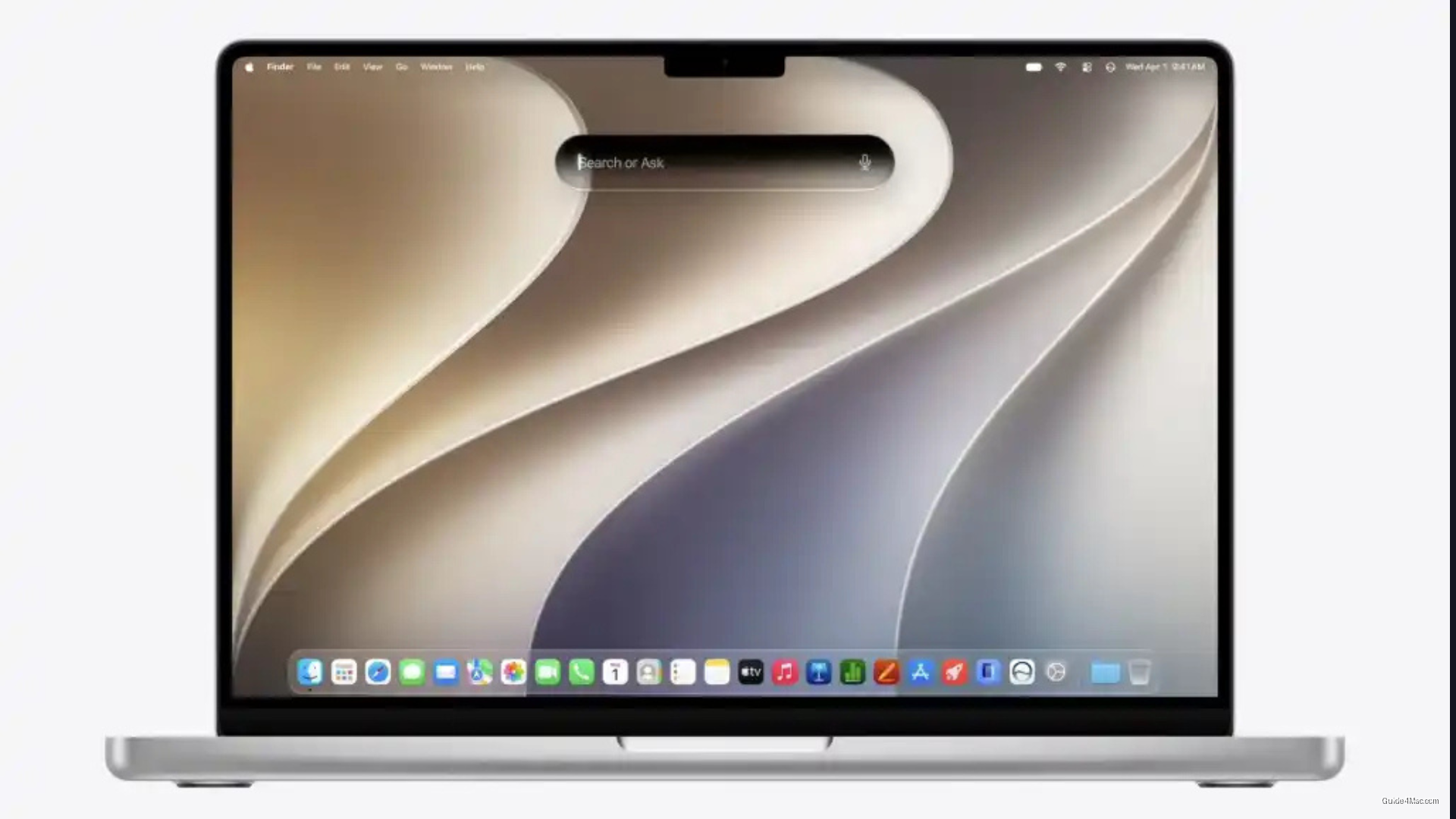
- Siri receives structural updates including dedicated app, document comparison, and cross-app task completion, positioning it as platform layer.
- Transparency slider in macOS 27 addresses poor reception of Liquid Glass redesign, indicating accessibility override necessity.
Apple’s decision to cut off Intel Macs with macOS 27 is the real story here, and the Siri and design updates are largely a distraction from it. The company transitioned to Apple Silicon in late 2020, meaning some Intel machines sold at full price are now less than five years old and already locked out of the next major release. That is a faster deprecation cycle than Apple has historically applied to Mac hardware.
The Intel cutoff also reframes what “performance improvements” means in practice. When the entire user base runs Apple Silicon, Apple can optimize far more aggressively for a single architecture rather than maintaining compatibility across two. The speed gains in macOS 27 are partly a dividend of dropping that legacy burden.
On the Siri side, the additions are more structural than cosmetic. A dedicated Siri app, document comparison, and cross-app task completion suggest Apple is finally treating Siri as a platform layer rather than a voice shortcut. Whether the execution matches the description is something a developer beta cannot yet confirm.
Liquid Glass Walks Back Some of Last Year’s Choices
The transparency slider is a quiet admission that the Liquid Glass redesign in macOS 26 landed poorly for a meaningful number of users. Apple rarely ships accessibility-style overrides for aesthetic decisions unless the feedback volume justifies it. Adding a dedicated control for transparency levels is a practical fix, but it also signals the original implementation was not as universally readable as Apple intended.
Visual Intelligence on Mac closes a gap that had existed since the feature launched on iPhone. The ability to pull structured data from on-screen content and push it into Calendar or search has obvious productivity applications, particularly for users who work across documents and schedules simultaneously.
The public beta arriving in coming weeks will be the more telling moment. Developer betas attract a narrow audience willing to tolerate instability; the public beta is where Apple finds out how these features hold up under ordinary use.



0 Comments