Vision Pro Successor Cancelled as Apple Pivots to AR Glasses
What You Need to Know
- Vision Pro 2 and Vision Air variants cancelled; resources redirected to smart glasses development.
- Apple pivoting to AI smart glasses competing with Meta Ray-Bans, targeting 2027 launch.
- Original Vision Pro launched February 2024 at $3,499 with sales below internal expectations.
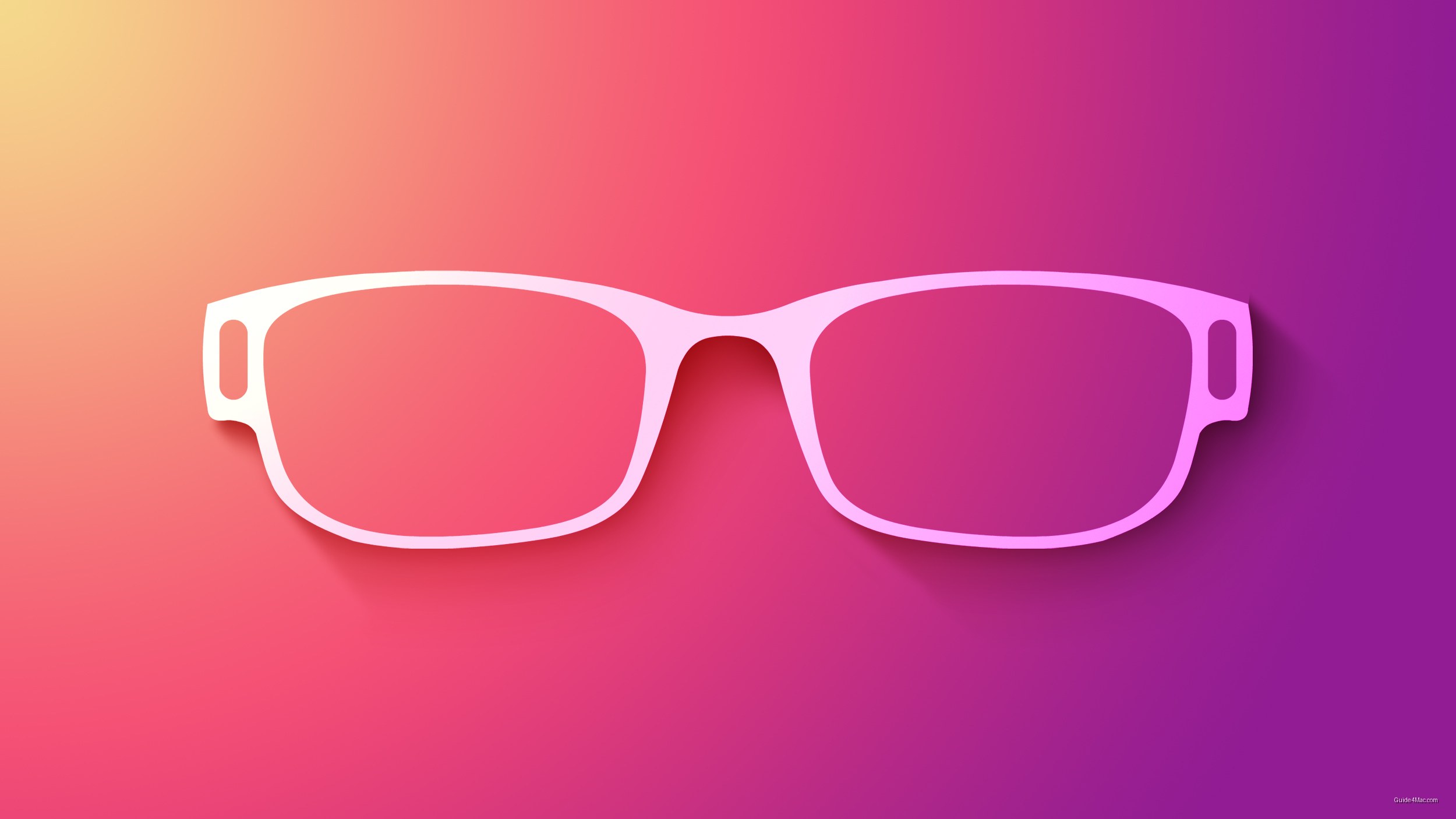
- Optical waveguide AR glasses product planned for 2029 earliest, using transparent overlay technology.
Apple’s incoming CEO has effectively shelved the Vision Pro product line before he even officially takes the job, redirecting the company’s spatial computing resources toward glasses that might actually sell.
John Ternus, who takes the CEO role on September 1, 2026, has cancelled both a second-generation Vision Pro and the lighter “Vision Air” variant, according to analyst Ming-Chi Kuo. What remains are two products: AI smart glasses designed to compete with Meta’s Ray-Bans, targeting a 2027 launch, and a more ambitious AR display glasses product using optical waveguides, which won’t arrive until 2029 at the earliest. Kuo’s June 2025 roadmap listed seven products; only these two survive.
The timing here matters. The original Vision Pro launched in February 2024 at $3,499 and sold well below internal expectations, with reports of weak repeat demand and limited developer adoption. Cancelling successors before Ternus formally holds the title suggests the decision was made collaboratively with Tim Cook, or that Ternus is already running the product roadmap in practice.
What “On Ice” Actually Means
Bloomberg’s Mark Gurman adds a wrinkle: Apple reportedly has a Vision Pro 2 in testing but the category is frozen, with any revival unlikely before late 2028 or 2029. That puts Gurman and Kuo in partial disagreement, one saying the line is dead, the other saying it’s dormant. The practical difference for consumers is zero for at least three years.
The optical waveguide AR glasses, if they ship, would be a fundamentally different product from Vision Pro. Rather than a headset that replaces your view, waveguide lenses overlay digital content onto the real world while keeping the lenses transparent, closer to what Google Glass attempted in 2013 but with a decade of miniaturization behind it.
Apple’s pivot toward lighter, cheaper eyewear follows Meta’s playbook almost directly. Ray-Ban Meta glasses, which have no display at all, became a genuine consumer hit on the strength of AI audio features alone, something Apple appears to have noticed.


0 Comments