IPhone Foldable Hinge Delays Could Push 2026 Launch to 2027
What You Need to Know
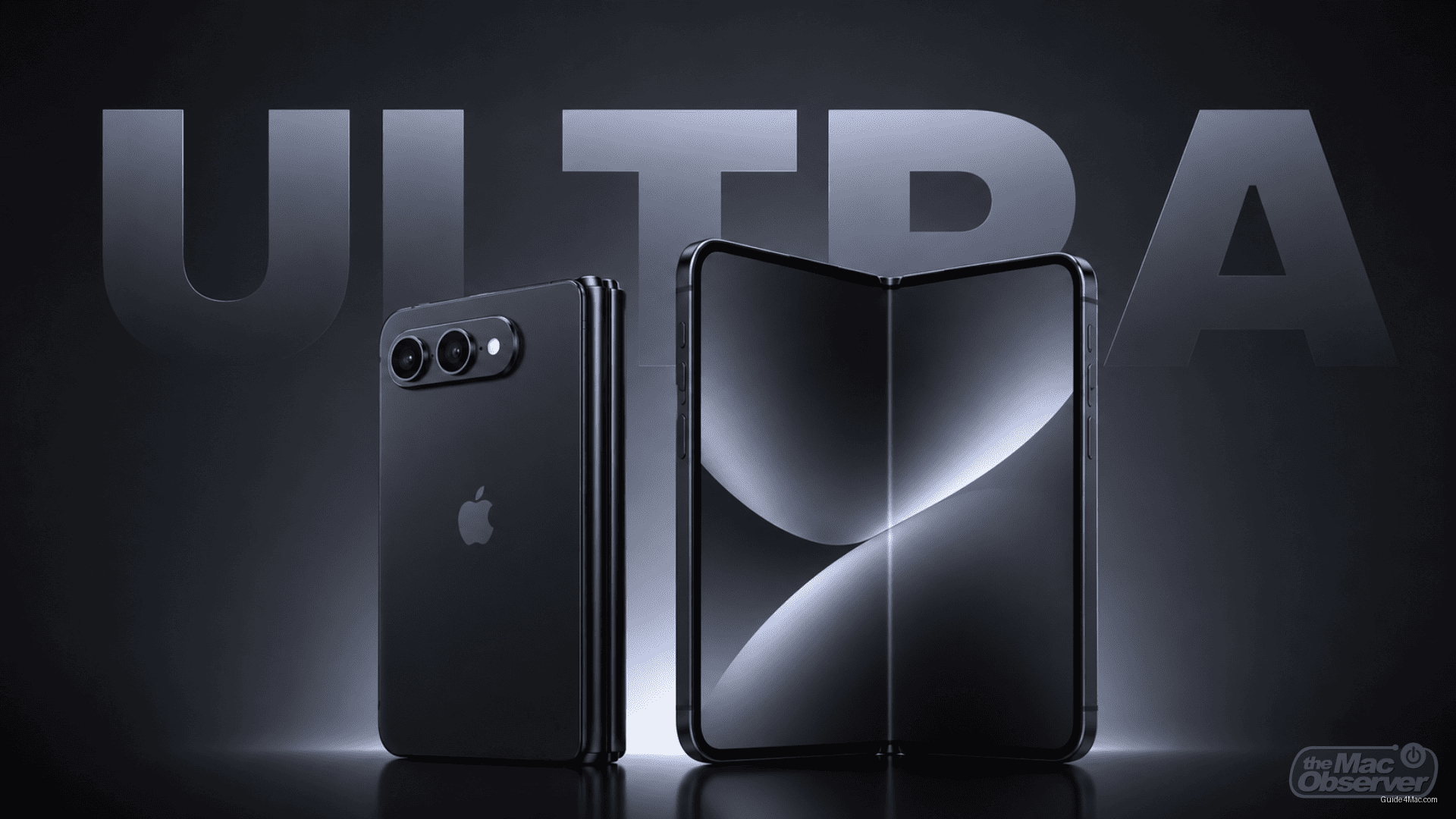
- Samsung approved OLED production for Apple’s foldable iPhone with initial supply target of 3 million units.
- Apple developing 3D printed liquid metal hinge to manage costs, but rattling and stability issues remain unresolved.
- Hinge production delays could slip timelines by 15 days to one month, directly impacting launch stock availability.
- Apple targeting September 2026 announcement, but meaningful availability may not occur until 2027.
Samsung has signed off on OLED production for Apple’s first foldable iPhone, with an initial supply target of around 3 million units. The panels are expected to use Samsung’s M16 OLED technology with Color Filter on Encapsulation, a combination designed to improve screen quality while keeping the display thin enough for a folding form factor.
The hinge is a separate problem. Apple is reportedly working with a 3D printed liquid metal hinge to manage costs, but rattling and stability issues still need to be resolved before mass production can start. That matters because the hinge directly affects the crease, the folding feel, long-term durability, and how quickly final assembly can move. If Apple has to inspect each hinge more closely during production, timelines can slip by 15 days to a full month, and that delay hits launch stock directly. Some component deliveries are reportedly already underway, which makes the hinge situation the clearest remaining bottleneck.
What a Slow Hinge Fix Actually Costs
Apple is discussing a September 2026 launch window, but the math on availability gets complicated fast. A device can be announced on schedule and still be nearly impossible to buy if supply is constrained at launch. Given how Apple has handled staggered releases before, including the iPhone X shipping two months after the iPhone 8 was already on shelves, a 2026 announcement with meaningful 2027 availability is a real scenario, not an edge case.
The competitive pressure is real. Samsung’s Galaxy Z Fold 6 launched at $1,899, and the foldable category has spent years trying to convince buyers it belongs outside a niche. Apple entering that space draws immediate comparisons, and with the Galaxy Z Fold 8 already shaping up as Samsung’s most direct response to Apple’s expected entry, timing matters more than usual.
Three million units is a modest opening number for any iPhone launch, and if hinge inspections slow the line, even that target gets harder to hit cleanly.



0 Comments