Siri’s New Architecture Sets Stage for Apple’s Agentic AI Future
What You Need to Know
- Apple plans to build agentic AI system autonomously operating iPhone, iPad, and Mac software.
- Siri’s new architecture is modern and extensible, but remains primarily request-based, not agentic.
- Apple executives acknowledged agentic AI category but prioritize user experience before committing to development.
- On-device processing constraints widen the gap between current Siri and full computer-use functionality.
Apple’s path to a full agentic AI system is not a product announcement, it is a prediction. Bloomberg’s Mark Gurman wrote in his Power On newsletter that he expects Apple to eventually build a system capable of autonomously operating iPhone, iPad, and Mac software on behalf of users, putting it in direct competition with tools like OpenAI’s operator-style products and similar offerings from Google and Anthropic.
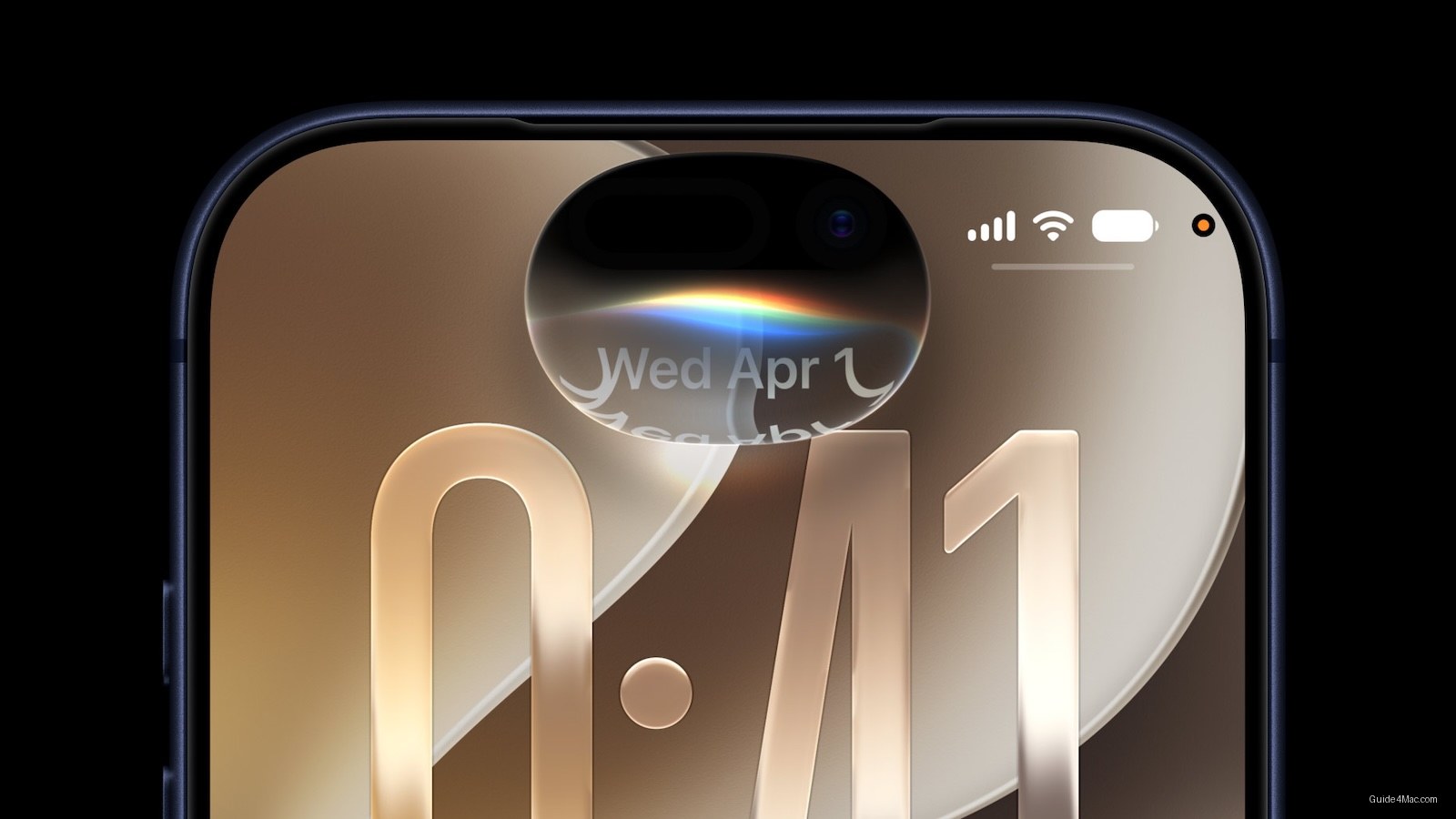
The prediction draws on comments from Mike Rockwell, Apple’s Siri engineering chief, who spoke after last week’s WWDC keynote. Rockwell described the new Siri rebuild as “a completely modern architecture” built with extensibility in mind, and acknowledged that true agentic behavior involves operating on a loop of incoming information, making decisions, and taking action. He was direct that Siri today is “primarily request based,” which is a meaningful distance from that definition.
Craig Federighi, Apple’s SVP of Software Engineering, acknowledged the agentic category but framed it carefully, calling the space experimental and describing the right user experience as the current priority. He stopped short of ruling out Apple’s eventual participation, which is the kind of measured non-denial that tends to precede a product.
What Apple Actually Shipped
The Siri that shipped at WWDC is newly rebuilt on a large language model foundation but remains a request-based assistant. The gap between that and full computer-use agentic functionality, where the system navigates apps and completes multi-step tasks without user input at each stage, is substantial. Apple’s on-device AI processing constraints make that gap even wider for users on less powerful hardware.
Apple has a pattern of entering categories late with tightly controlled implementations, and reliability in its core assistant features has been an ongoing concern long before the LLM era. Rockwell’s architecture comments suggest the foundation is being laid deliberately, but Gurman’s framing is explicit: this is eventual, not imminent. The regional rollout pace of Apple Intelligence already signals that Apple is not rushing the category.



0 Comments